 Jose Davila IV
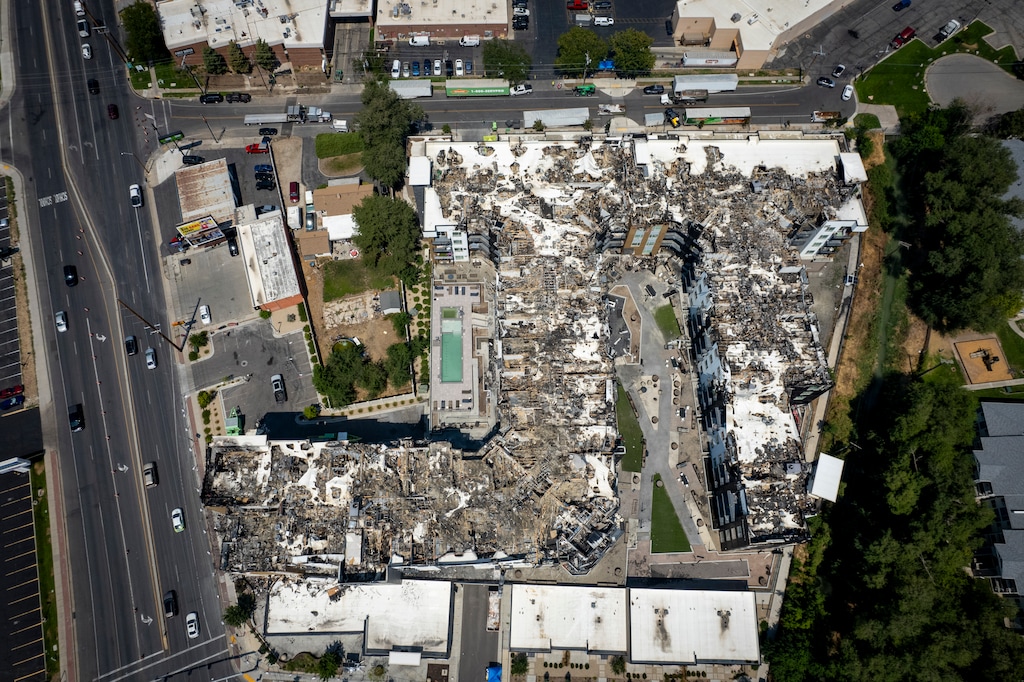
Residents of the doomed North Union Apartments lost their furniture, clothes, art and business supplies in a fire that ripped through the Midvale building late last month.
In the wake of that blaze, The Salt Lake Tribune asked Utah and national experts about what residents in multifamily complexes should keep an eye out for to prevent fires — and get out safely if they do happen.
“All the fire safety in these apartment buildings is a partnership between the building owners, the residents, the fire department and the code officials,” the Salt Lake City Fire Department’s prevention chief, Tony Allred, said. “Even when we do an inspection on the system, we’re seeing what that system is like that day. If residents or management see signs of tampering, damage or anything like that, they don’t have to wait until the next [annual inspection]. They’re encouraged to call and report those to their local fire official.”
None of the officials The Tribune spoke to for this story was able to comment on exactly what went wrong at the North Union Apartments.
Unified Fire Authority, the suburban agency that responded to the blaze, said it was sparked by a mechanical issue in the building’s attic. Twin investigations digging deeper into what happened — one by the authority and another by an insurance company — are underway but neither will be wrapped up for at least a few weeks, authority spokesperson Patrick Costin said.
Residents had reported electrical issues to the management company, Keller Management, in the weeks leading up to the fire, including dead outlets and faulty elevators. There was even a report of a burning smell, according to an open letter from residents.
To help stop fires before they start, tenants and condominium owners can ask their local fire department to examine issues like those, Allred said. If there is a fire hazard, officials can work with a management company or building owner to get it fixed before it turns into a tragedy.
How residents can prevent or minimize fires
• Don’t leave any cooking unattended or combustible materials next to hot kitchen appliances.
• Beware when charging lithium-ion batteries, which power everything from our phones to our power tools. They can spark fires, too, especially when they’re hooked into an outlet.
“If it’s charging, you should be there,” Costin, the fire authority spokesperson, said. “And if you leave, unplug it.”
• Don’t overload electrical outlets. Attaching too many appliances can create danger in individual units.
• Ensure fire doors are functional. Apartment buildings have these large, heavy doors, which are supposed to close during a fire to slow its spread.
“If you notice one of those doors that is supposed to close itself automatically isn’t closing and latching fully,” Robin Zevotek, a principal fire protection engineer with the National Fire Protection Association, said, “reporting that to the building owner and the building maintenance personnel so that they can get it corrected goes a long way to increase the level of safety in your building.”
Planning for if a fire breaks out
• Report when exits are blocked or locked.
• Test the alarms. Building owners have a responsibility to test the structure’s alarm system and inform residents of their exit routes.
• Call your local fire department if the alarm system seems to be working incorrectly, including if it’s too sensitive.
• Take any alarms seriously and check that your in-unit alarms are working.
Jose Davila IV covers west-side communities and is a Report for America corps member. He previously worked for KUNR Public Radio in Reno, The Toledo Blade and the Yale Daily News. He appreciates tips on the west side's best food, great hikes across the state and pickup volleyball games. Es bilingüe y ama los tostones de su padre más que nada.