 Tony Semerad
Four bucks a month for a future with cleaner electricity and improved air quality for generations.
That’s the bargain officials in Salt Lake City and up to 18 other Utah communities say they are striking on behalf of Rocky Mountain Power customers under a new clean energy program soon to show up on your power bill.
After pressing for more clean energy options for years, leaders in Utah’s capital have officially endorsed opting the city into the ambitious “net-100% renewable” strategy for adding access to new large-scale electrical energy sources such as solar, wind and geothermal power to its grid.
Other cities involved are now on a similar track, under an early June deadline.
A former air quality advocate before she ran for public office, Mayor Erin Mendenhall lauded the latest advance, saying the new approach to clean energy will give “residents and businesses a simple, practical way to participate in building a more resilient future.”
As other cities eye the same step the City Council took on Tuesday, the program and fees to pay for it are expected to kick in early next year, after several notices go out to homes and businesses.
City Council member Dan Dugan, who represents the city as chair of the 19-municipality Utah Renewable Communities consortium that has hammered out the new clean energy options with Rocky Mountain Power and state officials, said the latest move reflects a basic vision that all residents share.
“We want to breathe clean air — and we want our family, our friends and our kids to breathe clean air,” Dugan said Tuesday, calling the underlying rate changes approved in March by the state’s Public Service Commission “a big step.”
“This is a great opportunity for Utah,” he said, “to bring clean renewable energy onto our grid at this moment.”
A $4 surcharge
The Community Clean Energy program basically will give Rocky Mountain Power customers and their combined buying power wider access to clean power through the utility’s regional grid, without putting a solar panel on their roof.
The rate shift is meant to fuel an expansion by the regional electrical utility and its parent company, PacifiCorp, of its reliance on third-party providers of renewable energy at scale, akin to fields of wind turbines maintained in Wyoming or vast solar panel arrays in Utah’s Milford City and Tooele County.
If you get a Rocky Mountain Power bill, you’ll be automatically opted in and will help pay for the program, with those small new charges going to fund a big shift over time. Only customers already signed up for what’s called the Schedule 135 net metering program with the utility company for existing solar panels are barred from joining.
This is all supposed to gear up in late 2026 and early 2027, with residents automatically enrolled for the $4 additional monthly fee, although low-income residents can participate for free. Fees for business and nonresidential customers will be based on a small fraction of their actual power usage, for a sum roughly worth about 5% of a typical bill.
And if you don’t want to participate in the new clean energy push, officials say that’s OK, too.
Customers will be able to opt out for free from what will be labeled “Schedule 100” charges on their bills for the first six months after the program starts to take effect. After that, they’ll be charged a one-time $30 fee to leave.
What’s that fee pay for?
Under the regulatory framework approved by the Public Service Commission, Rocky Mountain Power and sponsoring cities will embark on adding to the utility’s portfolio of power-purchasing agreements for clean energy alternatives to fossil fuels — at a time when coal- and gas-fired plants make up about 60% or more of the regional utility’s output.
Under state law, that could include solar, wind, geothermal, hydroelectric power, energy efficiency advances, energy storage systems, nuclear energy, and even projects involving carbon-capture technologies.
All those cleaner electrons might not be directly consumed by the Utah cities whose customers are helping to pay to create them, but they’ll be on the same grid — and Rocky Mountain Power is committing, over time, to adding enough clean power to its grid completely offset what participating cities and their customers consume.
Hence, the term “net-100% renewable.”
Mendenhall said the approach endorsed Tuesday will significantly expand clean energy generation “while maintaining the reliability of the existing grid.”
Clean energy advocates say the program could ultimately add hundreds or thousands of new megawatts of clean electricity to the regional power system.
Glade Sowards, senior energy and climate program manager with city’s Department of Sustainability, said in an interview that several proposed clean energy projects to help meet that demand are already under review, with potential construction and deployment expected within three years or so.
Changing the future?
The 19-member Utah Renewable Communities coalition is anchored by Salt Lake City, Park City, Moab and Summit and Grand counties. Together, residents and businesses in those communities make up about 25% of the utility’s total Utah electricity generation.
All this also comes at a time when federal backing of major renewable energy initiatives, including wind and solar, has fallen into severe disfavor under President Donald Trump’s second term.
Dugan said Tuesday that Utah’s new renewables program will, in effect, bring additional clean energy sources on line that otherwise would not have been be part of Rocky Mountain Power’s long-range plans.
The mayor and council pledged years ago that Utah’s capital would pursue 100% renewable electricity by 2030 — and they now say this new approach is key to making that possible. Other municipalities in the consortium have made similar commitments to voters.
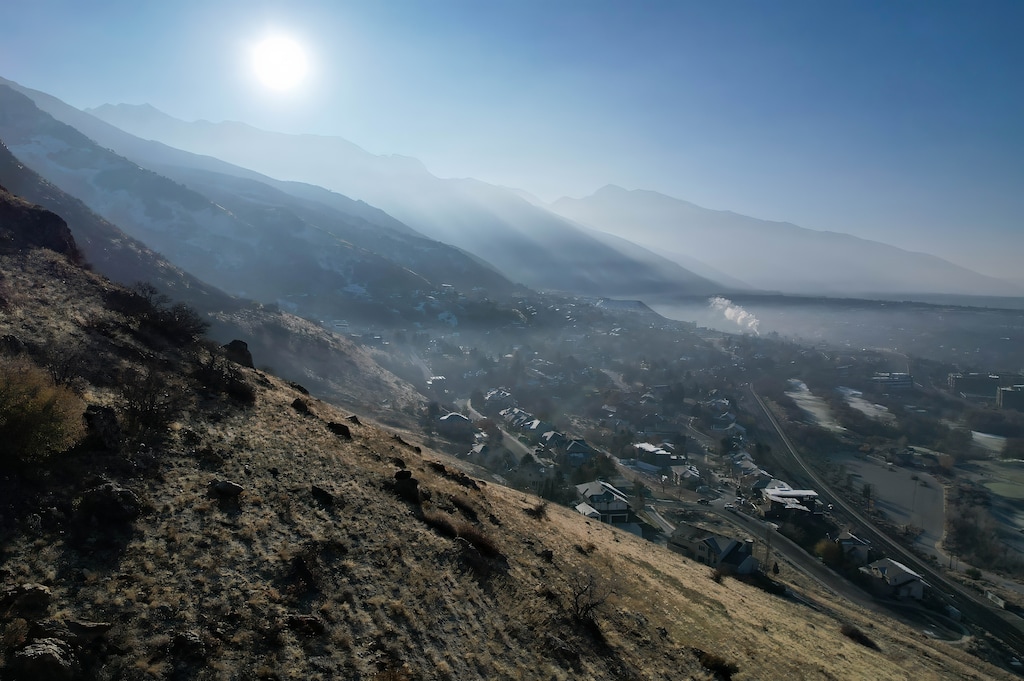
Big picture, the resulting long-term reductions in fossil fuel emissions from using more clean energy — in addition to helping to address drivers of climate change — could improve air quality and public health across the Wasatch Front and rest of the state, officials say, for years to come.
So this latest milestone for Utah Renewable Communities, Dugan said, “isn’t just a win for Salt Lake City. It’s a win for communities across Utah.”
Along with Utah’s capital, entities eligible for participating include: Alta, Castle Valley, Coalville, Cottonwood Heights, Emigration Canyon, Francis, Grand County, Holladay, Kearns, Midvale, Millcreek, Moab, Oakley, Ogden, Park City, Salt Lake County, Springdale and Summit County.