 David Noyce
 Tamarra Kemsley
 Peggy Fletcher Stack
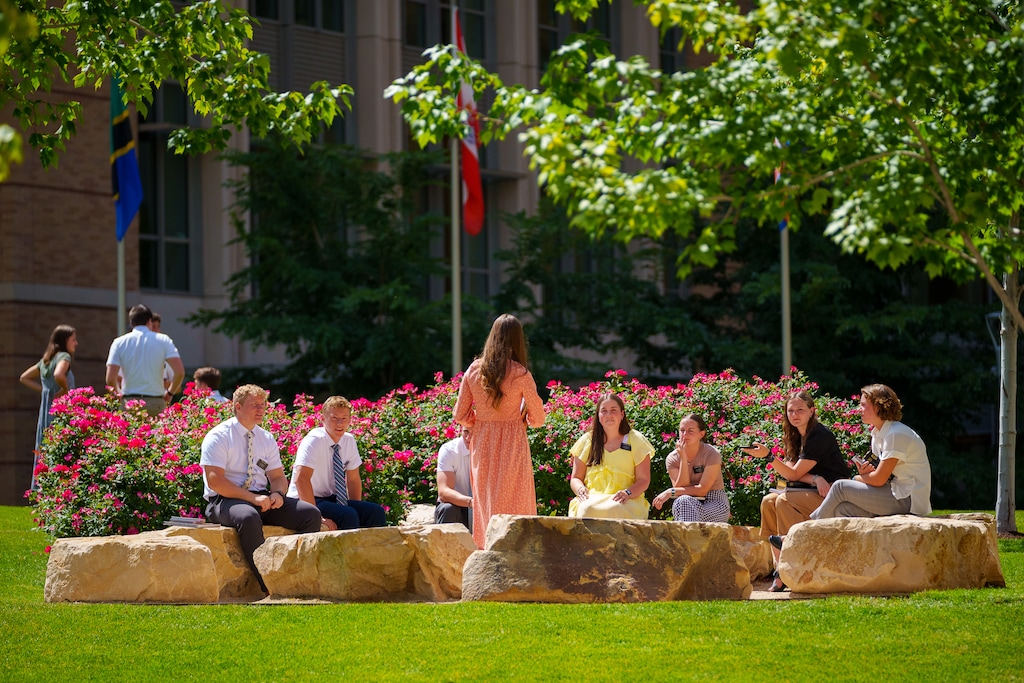
Few groups exist in the world like missionaries of The Church of Jesus Christ of Latter-day Saints.
They may be assigned to different countries or speak different languages, but for 18 months to two years, tens of thousands of these mostly young proselytizers share the same strict schedule, routine, identity and purpose: namely, to share the good news of — and seek converts to — their religion.
More than a million have served in the church’s history, so missionary stories are practically as ubiquitous in the 194-year-old global faith as are soaring steeples, crying babies and tiny sacrament cups.
Some stories are inspiring. Some are scary (with odes to devilish humans and even Satan himself). Some are funny. And some are, well, tall on tale and short on truth.
Talking about these narratives, some of which are cataloged at church-owned Brigham Young University, on this week’s show are folklorist Christine Blythe, executive director of the Mormon History Association, and her husband and fellow folklorist, Christopher Blythe, author of “Terrible Revolution: Latter-day Saints and the American Apocalypse.” Together, they host the Latter-day Saint podcast “Angels and Seerstones.”
Listen here: