 The Salt Lake Tribune
The group FairMormon is dedicated to defending The Church of Jesus Christ of Latter-day Saints from critics and rebutting falsehoods about the faith’s history and theology.
The nonprofit organization has held conferences and produced scholarly volumes, but it doesn’t view these efforts as effective in reaching millennials and Gen Zers.
FairMormon is particularly concerned about the influence of a 2013 volume called the “CES Letter,” which provides a long list of what it sees as problems with the church’s descriptions of its past, including founder Joseph Smith, his “First Vision,” translation of the Book of Mormon and polygamy.
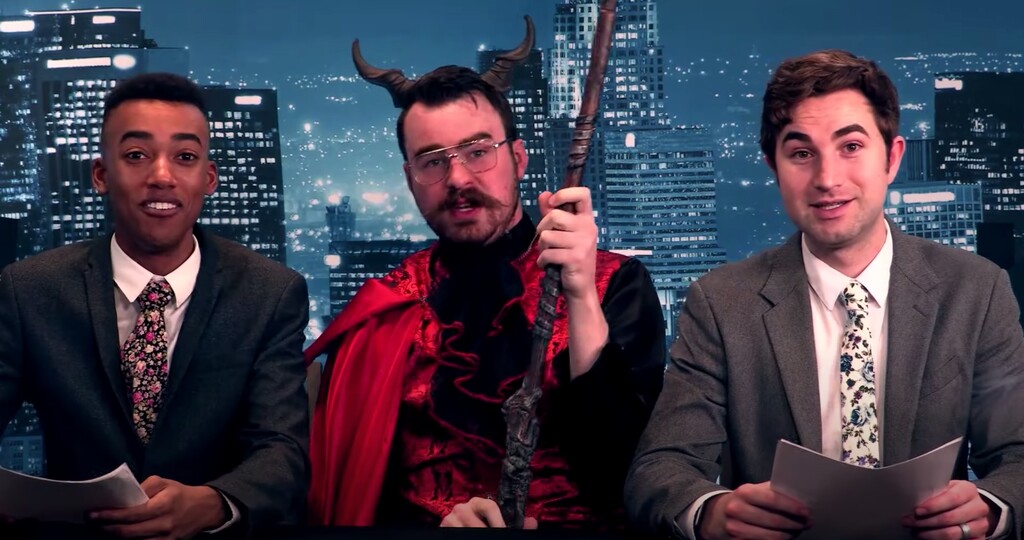
So FairMormon enlisted a handful of Brigham Young University actors and writers to produce satirical videos with essentially a twofold mission: Tear down the “CES Letter” and build up these younger members.
Will the mocking nature of these videos work? What is the best way to tackle controversial aspects of Mormon history?
On this week’s shows, Michael Austin, a Latter-day Saint writer, BYU alumnus and executive vice president for academic affairs at the University of Evansville, where he works every day with college students, addresses those questions and more.
Listen here.