facebook-pixel

‘Mormon Land’: The Atlantic’s McKay Coppins explores the LDS Church’s quest for approval, its future, and his interview with President Russell Nelson

The reporter touches on issues ranging from politics to race, community to missions, the Word of Wisdom to the “Book of Mormon” musical .

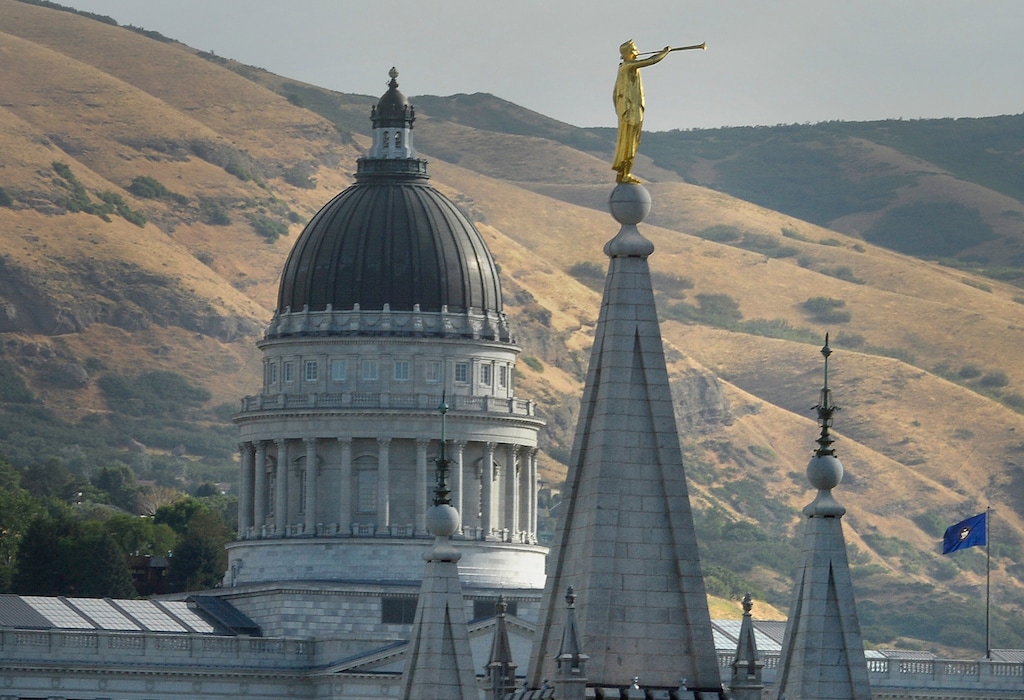
(Scott Sommerdorf | Tribune file photo) The Salt Lake Temple and the Utah Capitol in 2017. The Atlantic's McKay Coppins has published an article exploring past, present and future of The Church of Jesus Christ of Latter-day Saints.

(Scott Sommerdorf | Tribune file photo) The Salt Lake Temple and the Utah Capitol in 2017. The Atlantic's McKay Coppins has published an article exploring past, present and future of The Church of Jesus Christ of Latter-day Saints.

In a lengthy essay in The Atlantic posted online Wednesday, reporter McKay Coppins examines The Church of Jesus Christ of Latter-day Saints and its history as “The Most American Religion.”

In a subtitle, the article states: “Perpetual outsiders, Mormons spent 200 years assimilating to a certain national ideal — only to find their country in an identity crisis. What will the third century of the faith look like?”

Coppins looks backward and forward, not as a dispassionate observer, but through his own lens as a practicing Latter-day Saint. He talks with scholars and politicians, insiders and outsiders, leaders and laypersons, even church President Russell M. Nelson.

In this week’s podcast, Coppins discusses a host of issues — from politics to race, community to missions, the Word of Wisdom to the “Book of Mormon” musical — and his Nelson interview, which began with a prayer.

All of this and more as Coppins explores the path Mormonism has followed and what steps the Utah-based faith could — and should — take as it treads into its next hundred years.

Listen here:


Support free news for Utah

sltrib.com is now free to access — no subscription required. We made this decision because we believe access to trustworthy, independent news shouldn’t depend on what you can afford — especially as misinformation and AI-generated content continue to rise.

Free to read doesn’t mean free to produce. Our reporters show up every day to ask hard questions and hold powerful institutions to account. That work takes resources. As a nonprofit newsroom, we rely on support from people who believe it matters. Make a donation today to fund local news that serves Utah communities.

You can help us bring more local news to more communities today.