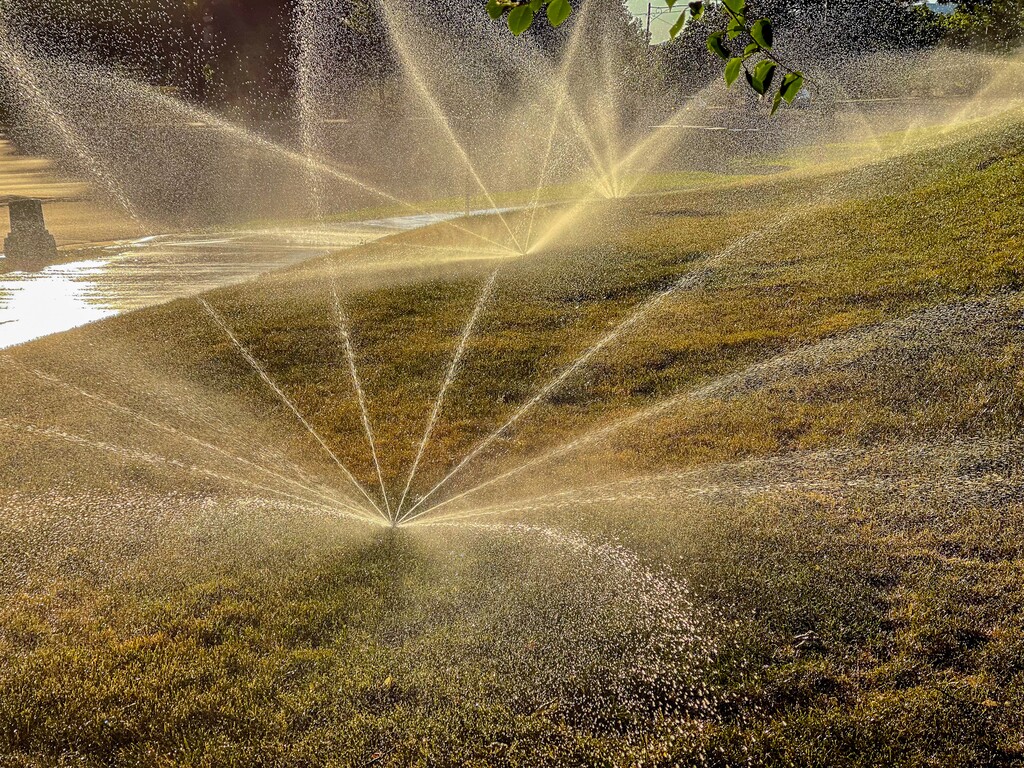
I lived in Tucson, Arizona, from 2009 to 2011, and one thing that struck me was how differently people thought about water. In Tucson, a lush green lawn wasn’t necessarily a symbol of success. It was more likely to earn a sideways glance. In the desert, wasting water isn’t something to admire.
Here on the Wasatch Front, we’ve somehow maintained the opposite attitude. We live in the second-driest state in the country, alongside a shrinking Great Salt Lake, yet we continue to celebrate enormous, meticulously irrigated lawns as symbols of responsible homeownership.
Maybe it’s time to change what we admire.
Think about how attitudes toward littering, smoking in restaurants or leaving your car idling have changed. These behaviors didn’t become socially unacceptable through regulation alone. They became embarrassing. People began holding one another accountable.
Why shouldn’t excessive lawns be next?
I’m not suggesting we eliminate every patch of grass. Kids need places to play, dogs need somewhere to roll around, and parks serve important purposes. But thousands of square feet of ornamental turf surrounding our homes, businesses, churches and office parks? That’s an extravagance our desert cannot afford.
Imagine a Wasatch Front where beautiful xeriscaping earns admiration, while an enormous, thirsty lawn raises eyebrows. Where neighbors quietly compete over who uses less water rather than who has the greenest grass.
We don’t need to shame people for having a lawn. But perhaps we should start making excessive water use a little embarrassing.
After all, the Great Salt Lake doesn’t care how green your grass looks.
Charlie Boas, Salt Lake City