Heat is an increasingly urgent reality for residents of Salt Lake City. Each year, summer arrives earlier and lingers longer, extending periods of extreme temperatures and placing growing strain on the community. Yet this burden is not shared equally. Access to cooling resources, such as air conditioning, varies widely, revealing deeper patterns of environmental inequality.
Research by scholar Jeff Rose at the University of Utah highlights the extreme conditions faced by unhoused individuals, who must rely on resourcefulness to survive urban heat. In one striking example, a participant recorded a ground temperature of 134°F in a paved parking lot, an environment that can quickly become life-threatening. To escape the heat, he had negotiated with a fast-food manager to buy a Frosty from Wendy’s in exchange for an hour in an air-conditioned space during the hottest months of the year. This moment underscores how even temporary relief can depend on informal bargaining rather than guaranteed, universal access.
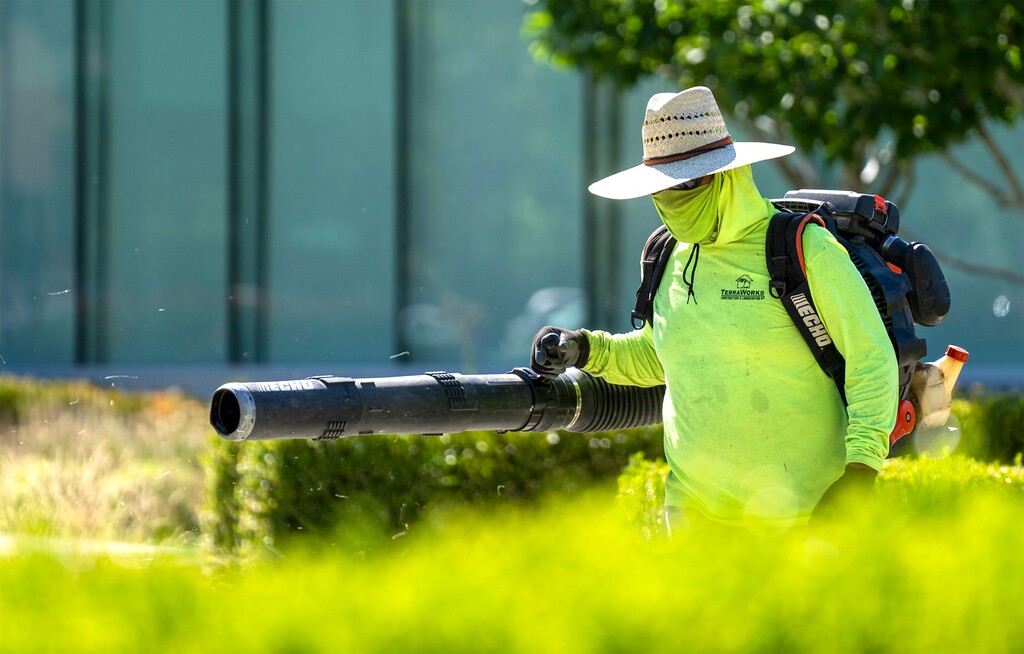
Outdoor laborers, particularly in construction and agriculture, face similarly dangerous conditions. These workers often endure long hours under direct sunlight with limited protections. In July 2023, a 30-year-old agricultural worker in Utah died after a shift in extreme heat, underscoring the severity of these risks.
As temperatures rise, addressing unequal heat exposure is essential to protecting public health for Salt Lake City residents.
Anika Boyden, Salt Lake City