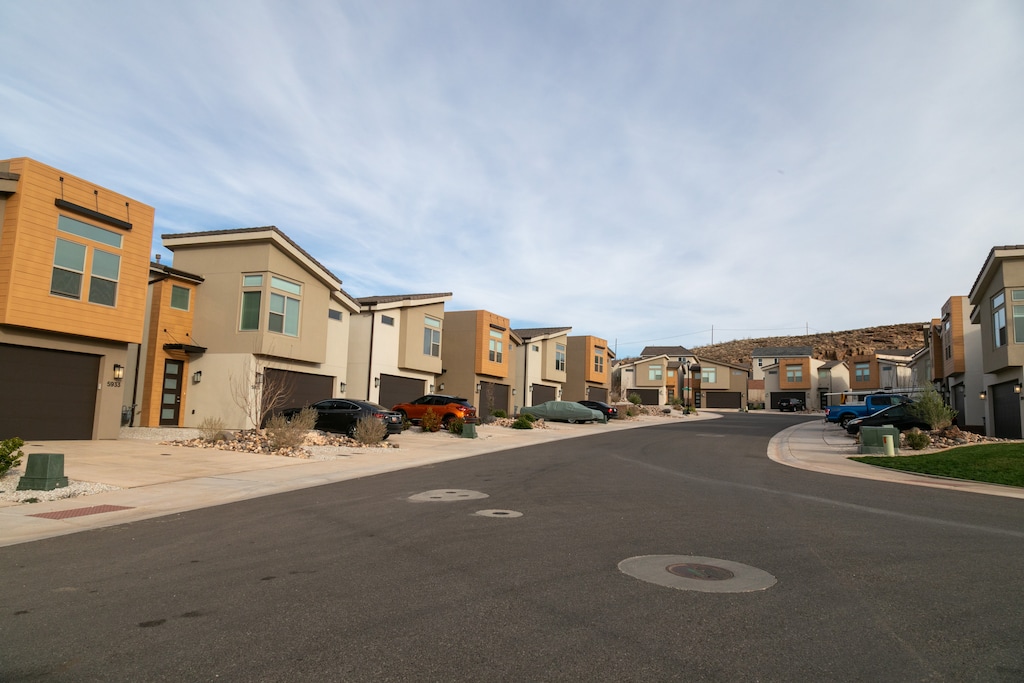
You would think from what you hear these days that cities simply don’t care about housing affordability.
As a land use planning consultant, I have worked with over 30 communities in our state. My most recent conversations focus on, “how can we find places for our kids to live besides our basement”? The answer varies in every community but what is consistently true is that average income can’t buy the average home, just about anywhere.
Cities understand this problem, and want affordable places for people to live close to their employment. They want something that young people can buy. They are concerned and many are trying new zoning techniques to encourage ownership and affordability. Some of these techniques include:
Smaller lots • Many communities already have ordinances that allow 5,000 square foot lots or even smaller.
New housing types • Infill options are materializing, such as secondary or subordinate dwelling units, detached accessory dwelling units, cottage lots, flag lots, and duplexes, tri-plexes, 4-plexes, townhouses, plus missing middle housing (smaller complexes).
Ownership and affordability initiatives • How do you assure that the new housing types provide an opportunity for ownership or even end up being affordable for average wage earners? Communities are adding deed restrictions, establishing maximum lot sizes coupled with a maximum house size.
Density bonuses for affordable units • In exchange for committing to a certain number of affordable units, communities regularly provide for bonus densities to offset lower builder profits.
Parking • Instead of using national standards, communities are looking at their local context. This results in reduced requirements, especially near transit.
Zoning codes change and evolve. The housing problem is a universal issue that communities are trying to address.
John M. Janson, Millcreek