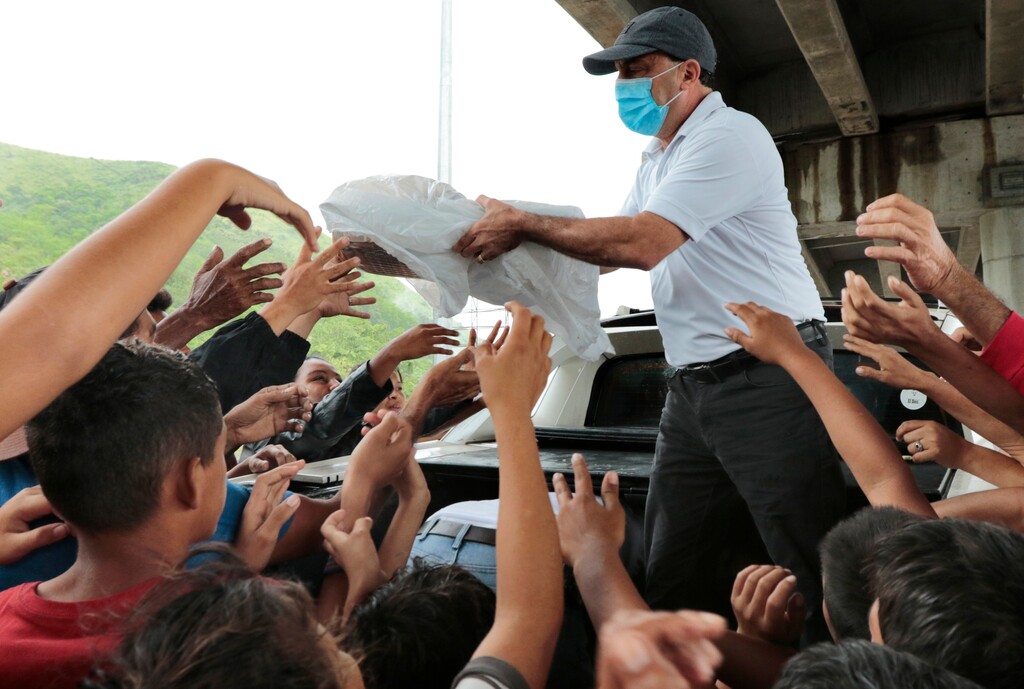
When issues within the United States seem out of reach and out of our control, it feels harder to extend aid to places that are even more disconnected from our lives. Geographical distance and a lack of knowledge regarding other communities atomize us at home, let alone abroad. But domestic and international progress are not competing interests. In fact, when global rates of hunger and poverty decrease, the United States’ economic position fares better.
Take the decrease in poverty in Honduras, for example. Recent years have seen general poverty rates drop from 73.6% to 60.1% and extreme poverty fall from 53.7% to 38.3%, as of 2025.
Economically, U.S. assistance to Honduras has developed a stable trading partner, reduced migration drivers and boosted exports. The U.S. maintains a trade surplus with Honduras, exporting billions in machinery and fuel. All while utilizing U.S.-based businesses and workers for trade and foreign aid implementation.
Donating to nonprofit organizations is the easiest way to get involved, but donating your time is equally effective. Call your congressional delegation and urge them to resist cutting foreign aid funding, which makes up less than 1% of the total budget. Losing this funding will have an outsized impact on American farmers, businesses and our national security interests.
It’s important we continue to stay informed on global poverty and hunger to not only strengthen those countries in need, but also protect the interests of the United States.
Cate Carson, Salt Lake City