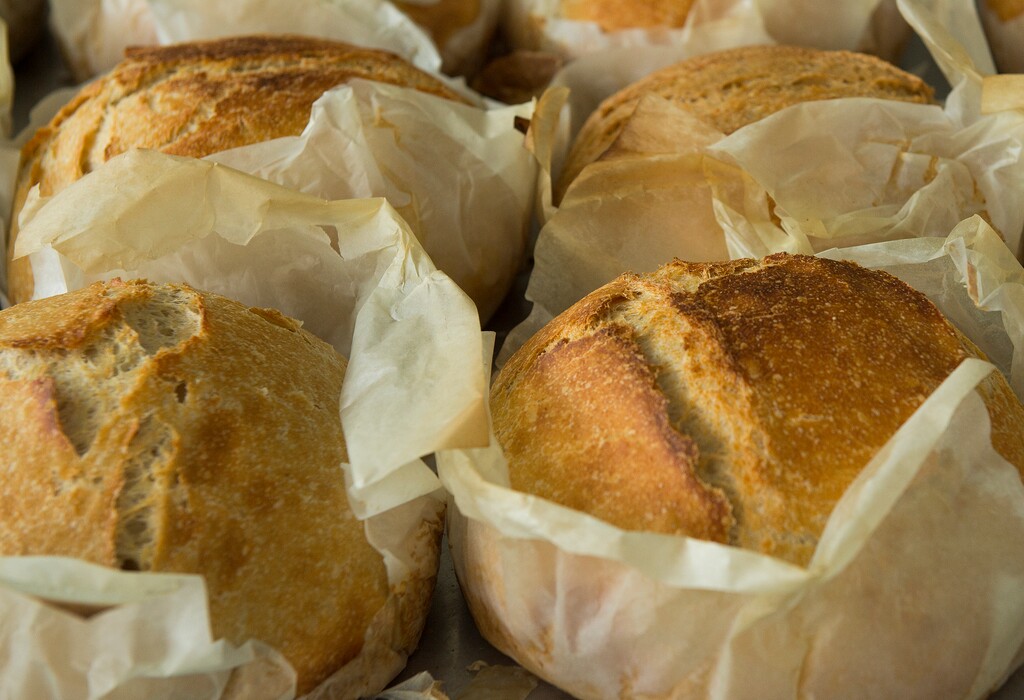
Day-old bread is one of the top items we rescue at Waste Less Solutions. There is an overabundance to the point that often our receiving agencies cannot take any more bread. It’s a staple food but currently there is an issue with having too much bread and letting it go to waste. In fact, a significant portion of the food we buy is wasted, left to rot and off-gas methane in a landfill, steadily poisoning our planet. For those of us who hope for a world with clean air, clean water, and clean soil for future generations, this is a problem.
We can start to address the problem by remembering where our food comes from. Food is not trash; it is a gift. It takes energy and resources to produce, but we forget this in the modern shopping experience. Perhaps bread should be more expensive to reflect its innate value; it’s only cheap because wheat is subsidized. It sounds backwards in this economy where inflation is on everyone’s minds, but if bread were $15 per loaf, we might think twice before leaving it to mold on top of the fridge. We would be more likely to turn it into bread crumbs or croutons or simply pop it in the freezer to use later.
Tackling food waste is a creative venture, and it will take solutions from all sides, but we can begin by changing the way we think about day-old bread. This will require collaboration from individuals and businesses alike, to change habits of consumption and production. Collectively, we must value enough more than excess if we want to believe in a livable future for our children.
Dana Williamson and Sarah Alicandro, Salt Lake City