facebook-pixel

Letter: Families need more financial support

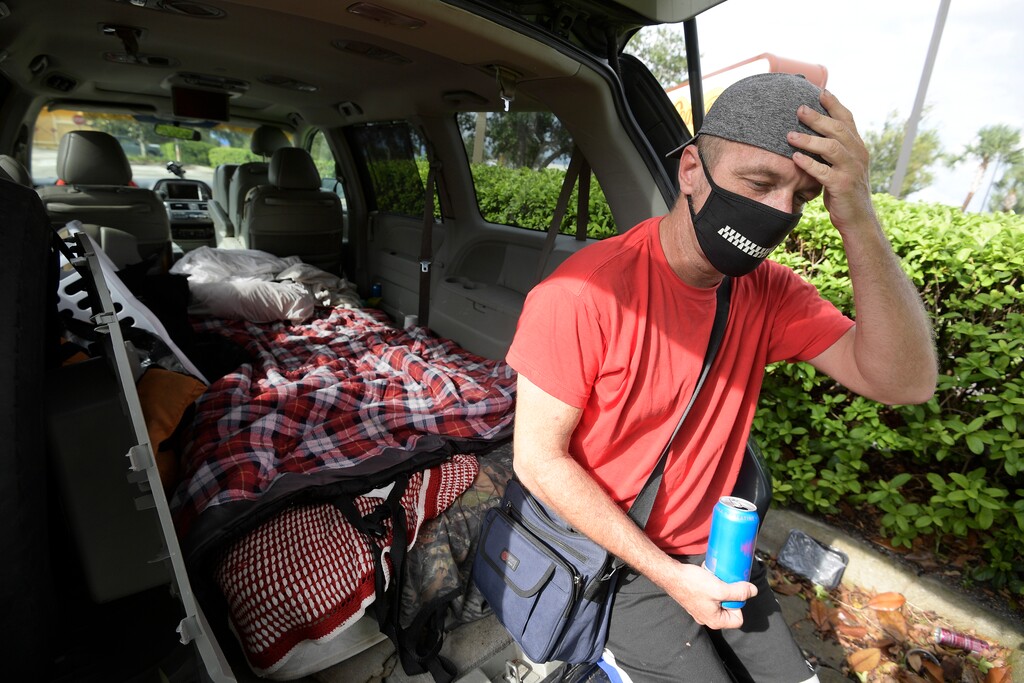
Jeff Lello adjusts his hat while sitting on the back of the van out of which he has been living, in the parking lot of a Cracker Barrel restaurant, since being laid off due to the coronavirus pandemic, Friday, Aug. 21, 2020, in Orlando, Fla. Lello is one of an estimated 20 million Americans living paycheck to paycheck, spending more than 30% of their income on rent, who are likely to experience homelessness at some point, according to the National Coalition for the Homeless. (AP Photo/Phelan M. Ebenhack)

Jeff Lello adjusts his hat while sitting on the back of the van out of which he has been living, in the parking lot of a Cracker Barrel restaurant, since being laid off due to the coronavirus pandemic, Friday, Aug. 21, 2020, in Orlando, Fla. Lello is one of an estimated 20 million Americans living paycheck to paycheck, spending more than 30% of their income on rent, who are likely to experience homelessness at some point, according to the National Coalition for the Homeless. (AP Photo/Phelan M. Ebenhack)

With the COVID-19 pandemic showing no signs of coming to an end anytime soon, and individuals nationwide still suffering from the loss of employment or an unexpected severe illness, it’s time we come up with a plan to help families build emergency savings. March 13 was a defining day where many were forced to come to the realization that they had little to no money in their bank account to fall back on. This left millions wondering exactly how they were supposed to support themselves and their families through this completely unprecedented time.

In February, our nation had 51 million people surviving below the poverty line. By June, this number would rise by 28% to 65.1 million. These are people who have been surviving from paycheck to paycheck, people who have been unable to build sufficient savings, and who are now floundering to get the bills paid and the fridge stocked with food. The $1,200 that was provided to somehow keep residents afloat for months on end was not nearly enough for low-income families and individuals.

We don’t need to leave our citizens in this condition. If we implement the bipartisan Refund to Rainy Day Savings Act, this could serve as a lifeline for millions. This plan includes allowing taxpayers to set aside a portion of their tax refunds as emergency savings, which they will then be able to access at a minimum of six months after they file. While this doesn’t cost taxpayers any extra money, it could be an extremely effective way of helping families focus on their savings once we are past this current crisis. Write to your lawmakers and decision makers. Make your voice heard. Help those in need.

Isabelle Adams, Salt Lake City

Submit a letter to the editor

Support free news for Utah

sltrib.com is now free to access — no subscription required. We made this decision because we believe access to trustworthy, independent news shouldn’t depend on what you can afford — especially as misinformation and AI-generated content continue to rise.

Free to read doesn’t mean free to produce. Our reporters show up every day to ask hard questions and hold powerful institutions to account. That work takes resources. As a nonprofit newsroom, we rely on support from people who believe it matters. Make a donation today to fund local news that serves Utah communities.

You can help us bring more local news to more communities today.