facebook-pixel

Tribune Editorial: How Utah prioritizes making higher education affordable

Universities and colleges have many programs for low-income Utahns
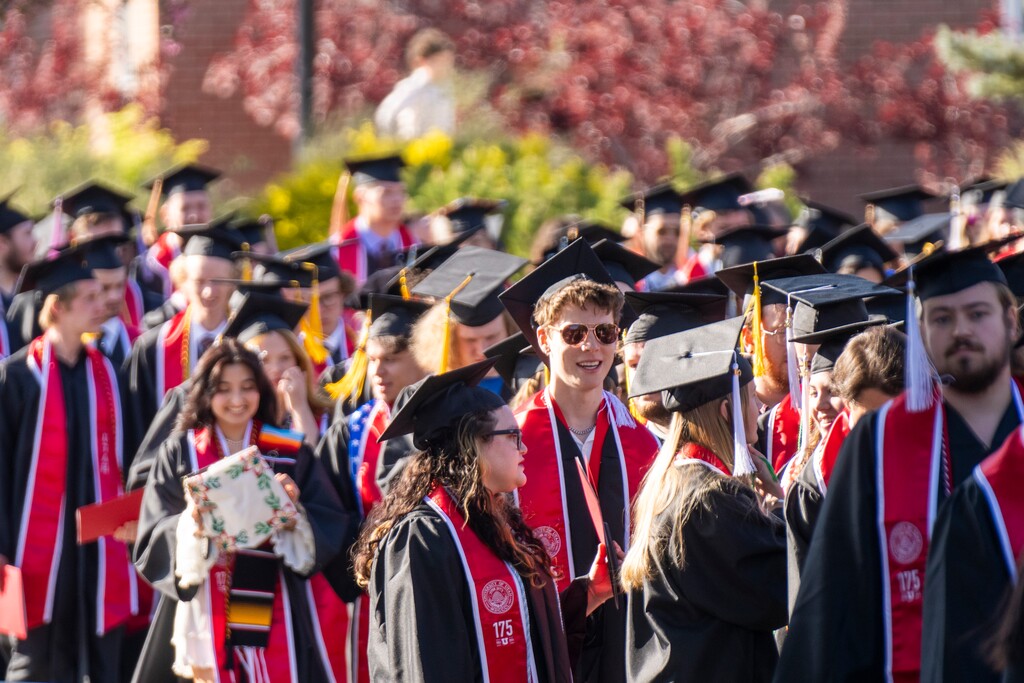
(Rick Egan | The Salt Lake Tribune) Students line up for the University of Utah commencement at the Jon M. Huntsman Center on Thursday, May 1, 2025.

If the only benefit of a college education was felt by the individual student, then it would make sense that the student shoulders the cost. Even if they had to take on significant debt to do so.

But the benefits of an educated populace accrue to the whole of the community, of the state and of the nation. That’s why there are so many scholarships, grants and loan programs offered to help cover the ever-higher cost of a post-secondary education.

Public universities in Utah are figuring out there is something better than helping students raise the money to pay for their education. And that’s to make a certificate or degree cost as little as possible. Maybe, even, nothing.

The latest achievement in this laudable trend is the University of Utah’s Utah Promise plan. It offers free tuition and fees — which now run to nearly $11,000 per academic year — for new students accepted into the U. who begin their higher education experience in the fall of 2026 or after.

To be eligible, a student must graduate from high school with a grade point average of at least 3.5 and come from a family with an annual income of $100,000 or less. (And you have to fill out the FAFSA application.)

This new plan, announced earlier this month by U. President Taylor Randall, builds on a similar program from 2020 that picked up all the costs left over after students with family incomes of less than $50,000 a year had used up their federal Pell Grants.

The U. is not the only public college in the state to make such a game-changing move.

Weber State University in Ogden has its Dream Weber program for incoming students with family incomes of no more than $50,000. Salt Lake Community College has its SLCC Promise free-tuition program for students who qualify for Pell Grants. Utah State University has a route to cover the costs remaining after a student has received all available grants and scholarships. Utah Tech’s Trailblazer Promise does the same.

The University of Utah’s College of Pharmacy has offered a Free First Year since 2023.

These tuition-covering programs are a much better idea than loading up students with more debt.

Debt which depresses the whole economy due to the houses, cars and other things loan-carrying graduates can’t buy.

Utah public colleges, contrary to national trends, are seeing significant increases in enrollment. That’s hopeful, but not as important as improving graduation rates. Low- or no-cost tuition is the best way of meeting that goal.

Other states are doing the same, with notable programs in California, Oregon, New York and Rhode Island. Others should be emulating this trend. We will all be the better for it.

Editorials represent the opinions of The Salt Lake Tribune editorial board, which operates independently from the newsroom.