Utah stands at the edge of an economic and technological transformation unlike anything we have seen in generations.
Artificial intelligence, hyperscale data centers, advanced manufacturing and massive new energy infrastructure are no longer distant possibilities. They are here. And whether we like it or not, they will reshape the future of our state.
The question is not whether Utah should participate in that future. The question is whether Utahns will still have a meaningful seat at the table while it is being built.
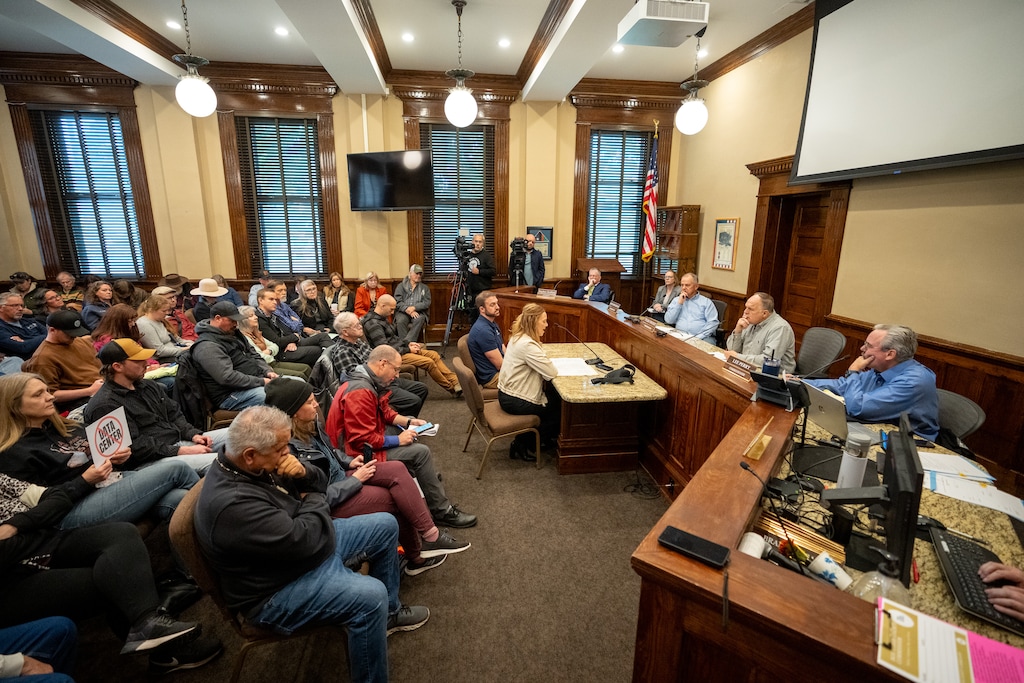
Over the past several weeks, the proposed Stratos Project and Operation Gigawatt have sparked one of the largest public responses I have seen during my time in Utah politics. Thousands of residents across the political spectrum have raised concerns and asked questions about water, power generation, utility impacts, infrastructure strain, environmental safeguards, taxpayer exposure and long-term public accountability.
Those concerns should not be dismissed as extremism, anti-business sentiment or resistance to progress. They are the natural response of citizens confronting projects so large they could permanently alter the economic, environmental and infrastructural trajectory of the state.
Unfortunately, too much of this conversation has collapsed into false choices.
On one side are voices suggesting Utah must blindly embrace any project associated with AI, growth or national competitiveness without demanding transparency or enforceable protections.
On the other side are activists who appear fundamentally hostile to industrial growth itself.
I believe most Utahns are somewhere in the middle.
They want Utah to compete.
They want jobs.
They want technological leadership.
They want economic opportunity.
But they also want accountability.
They want to know who pays if infrastructure costs spiral.
They want confidence that residential ratepayers will not quietly subsidize massive industrial demand.
They want transparent review processes instead of decisions that feel predetermined long before the public enters the room.
And they want meaningful legislative oversight over projects carrying statewide consequences.
That is why the Utah Republican State Central Committee recently passed an emergency resolution — which I sponsored — calling for increased transparency, independent review, utility protections and public accountability tied to projects of this scale.
Importantly, the resolution did not condemn the Stratos Project outright. It did not reject growth, innovation or technological investment. Instead, it reflected a growing recognition that Utah needs governance structures capable of balancing economic ambition with long-term stewardship and public trust.
That distinction matters.
Utah should lead in the future economy. We should absolutely pursue advanced infrastructure, energy development and AI investment. But growth without transparency eventually erodes public confidence. And once trust collapses, polarization and instability follow close behind.
Citizens do not become angry simply because projects are large. They become angry when they feel excluded from decisions that will affect their communities for generations.
The AI boom is coming whether we are ready or not. But Utah still has a choice about how it arrives.
We can build a future where citizens remain active participants in shaping the state’s trajectory, or we can drift toward a model where billion dollar decisions become increasingly insulated from meaningful public influence.
Utahns are not asking to stop the future.
They are asking to help shape it.
(Gunnar Thorderson) Gunnar Thorderson is a member of the Utah Republican State Central Committee.
Gunnar Thorderson is a member of the Utah Republican State Central Committee.
The Salt Lake Tribune is committed to creating a space where Utahns can share ideas, perspectives and solutions that move our state forward. We rely on your insight to do this. Find out how to share your opinion here, and email us at voices@sltrib.com.