 Carmen Nesbitt
Note to readers • Click here to find an interactive map where you can enter your address to see all the races on your ballot that have a voter guide from The Salt Lake Tribune.
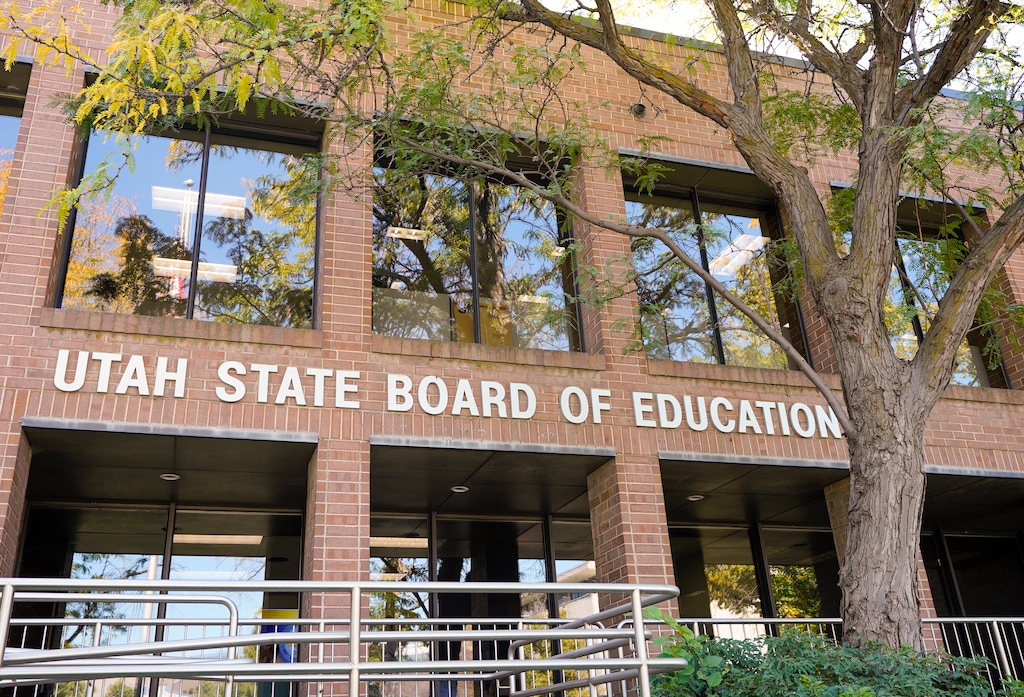
Incumbent Republican Jennie Earl will fight to keep the District 1 seat on the Utah State Board of Education this November.
She faces Democrat challenger Cathy Callow-Heusser to represent parts of Cache, Rich, Box Elder, Summit and Morgan Counties.
Earl has a master’s degree in education from Weber State University, according to the USBE website. Her career has included educating students with special needs and teaching middle schoolers math.
Throughout Callow-Heusser’s career, she has worked as a teacher, university instructor, education consultant and USBE staff member, according to her campaign materials.
Ahead of the Nov. 3 general election, The Salt Lake Tribune sent out a survey to all USBE candidates asking for their thoughts on several education issues.
The candidates submitted photos and answers through a questionnaire. Answers may have been edited for style and clarity. Candidate responses are listed in alphabetical order by last name.
Earl noted she was out of the country and unable to respond by The Tribune’s deadline. This story will be updated if Earl responds at a later date.
Election Day is Nov. 3. Mail ballots must be dropped off at a ballot dropbox by 8 p.m. on that day or, if returned by mail, must be received by the county clerk by 8 p.m. on Election Day.
What do you see as the biggest challenge facing Utah’s public education system over the next four years?
Earle: Did not respond.
Heusser: Funding! Utah is second lowest per pupil expenditure. Funding impacts local taxes; class sizes; number of mental health, behavior, social services, special ed & safety staff; curricula & technology choices; early child education; teacher support, training & benefits; teacher burnout; extracurricular activities; student academic & emotional support; school closures & consolidation; studies of effectiveness & accountability of programs/projects; and equitable access to educational opportunities.
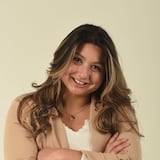
Cathy Callow-Heusser, a Utah State Board of Education candidate for District 1.
What are your thoughts on Utah’s sensitive materials law, which created a process to remove books from all public schools in the state?
Earle: Did not respond.
Heusser: The sensitive materials law is too broad and implemented too broadly across diverse districts. The Legislature established the definition of pornography included in sensitive materials; yet, book removal seems to go beyond that narrow definition. Members of decision-making boards report books approved within their district; then removed at state level. Differences between districts need to be considered, and boards making decisions need members who are representative of their communities.
Do you support the use of taxpayer dollars for the Utah Fits All program, which gives selected private school and homeschool students with up to $8,000 in public money to use on educational expenses, with certain restrictions? Why, or why not?
Earle: Did not respond.
Heusser: No. I am a staunch public education advocate. Voucher programs divert taxpayer money that should be used to support public schools. Research shows that a larger percentage of students who are awarded voucher funding make inadequate progress, and vouchers reduce numbers of students enrolled in public schools—further limiting public school funding. Private schools can be selective, eliminating equitable access for voucher awardees. As shown in audits in Utah, many expenses have been questionable.
What role do you feel immigration enforcement has in schools, if any?
Earle: Did not respond.
Heusser: Immigration enforcement has no place in or near schools. Children need to feel safe at school, and arrests impact everyone nearby. When children don’t feel safe, it’s hard to learn. Resulting trauma leads to chronic absenteeism and learning setbacks. Absenteeism and trauma require additional teaching and support needs, further burdening educators. Other students may experience fear and confusion, disrupting their learning, too. Schools need to be safe havens for ALL children.
Utah lawmakers this year introduced a host of new literacy supports and interventions to help curb the state’s dismal reading scores. That included a plan to hold struggling third grade readers back starting in 2030. Do you support third grade retention, yes or no?
Earle: Did not respond.
Heusser: No.
Do you support Utah’s bell-to-bell cellphone bans in schools, yes or no?
Earle: Did not respond.
Heusser: Yes.
What’s your favorite book and why?
Earle: Did not respond.
Heusser: A voracious reader with many favorites, my most read book stirs strong memories. My 6th grade teacher read “Where the Red Fern Grows” aloud to us. We laughed; we cried. Mr. Sadler taught us that men can cry, too. Read to children, no matter their age!