 Leia Larsen
Note to readers • This story is made possible through a partnership between The Salt Lake Tribune and Grist, a nonprofit environmental media organization.
Click here to find an interactive map where you can enter your address to see all the races on your ballot that have a voter guide from The Salt Lake Tribune.
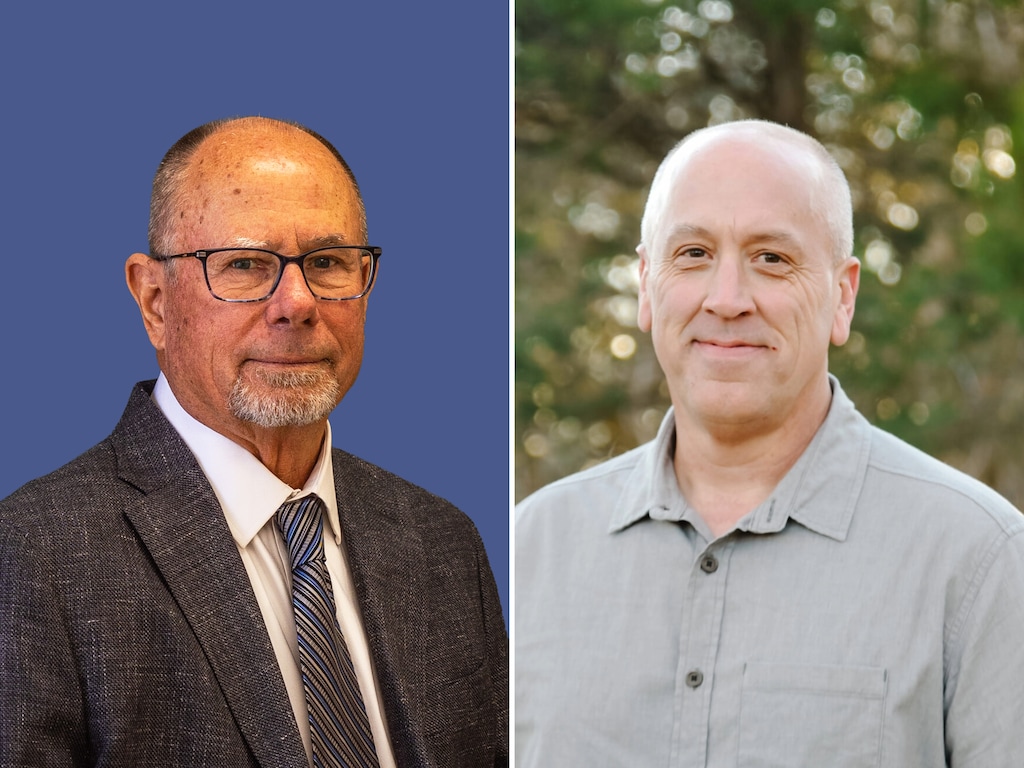
House District 13’s current representative, Republican Karen Peterson, is not seeking reelection this year and candidates Erik Craythorne, a Republican, Tony De Mille, with the Forward Party, and Jeffery Anderson, a Democrat, are vying to take her place.
Anderson works in the medical field, is new to politics and vows he’ll be a single-term lawmaker. Craythorne, who works in construction, became mayor of West Point in 2008 and served in that role until 2022, according to his candidate website. De Mille works in real estate and did not respond to questions for this voter guide.
The district covers parts of Davis County, including Clinton, West Point and sections of Sunset and Clearfield.
Candidates submitted photos and answers through a questionnaire. Answers may have been edited for style and clarity. Candidate responses are listed in alphabetical order by last name.
Utah voters told us government corruption is their top concern in this year’s election. Why do you think voters feel this way? And why should Utahns trust you to represent them?
Anderson: Until this year, I never considered running for office, but I decided my family and friends need a voice. I am a one-term candidate. I have worked in healthcare and public service as a medical technologist, and ensuring quality and safety in hospitals here in Utah, across the country and overseas with the U.S. Department of State. I’m not running for office because I’ve always wanted to be a politician. I’m running because Utah is at a turning point — I want my communities to thrive.
Craythorne: Utahns are frustrated because government too often acts without listening to the people it serves, and tax dollars aren’t always spent transparently. I earned trust through 21 years of public service, including 13 years as West Point’s mayor, leading with accountability, open communication and fiscal discipline. I’ll bring that same transparent, listen-first approach to the Capitol.
De Mille: Did not answer.
Utahns told us affordability is their second-highest priority in this election. How would you help Utahns afford housing, groceries, gas and other day-to-day expenses?
Anderson: I cannot lower the price of a house or groceries. As a Democrat, I believe in unions and their right to bargain. However, as legislators we can do more to help our neighbors. After 17 years, we need to increase the minimum wage. Adjusted for inflation, workers should be at $12 an hour. But that does not make up for 17 years our neighbors have been exploited. We can do better.
Craythorne: Families are already feeling the squeeze, and government shouldn’t make it worse. I support responsible budgeting, cutting unnecessary regulations and prioritizing essential services over new bureaucracy to keep taxes low. As a small business owner in construction, I understand rising costs firsthand and will fight for policies that grow good jobs and protect Utahns’ paychecks.
De Mille: Did not answer.
Water resources were also a top concern for voters. What policies would you support as Utah looks to balance growth with preservation of the Great Salt Lake and the Colorado River?
Anderson: Restore the state engineer’s authority to consider community impact when approving new permits. Moratorium on new diversions and dams until the Great Salt Lake and Lake Powell water levels are stabilized and increasing. The governor has declared the drought as a state of emergency and, under that authority, [should] purchase water rights to restore these watersheds.
Craythorne: As a local leader who guided West Point through major growth while preserving its character, I know growth and conservation can go hand in hand. I support smart water conservation, agricultural efficiency and local communities planning responsibly, rather than one-size-fits-all state mandates, to protect the Great Salt Lake and Colorado River for future generations.
De Mille: Did not answer.
What is another topic you care about and want to address if elected to public office?
Anderson: I am concerned about two things that make life nearly impossible for our young people. The first is the lack of daycare facilities. There are only 565 licensed facilities in Utah and they are barely profitable. I would like to see a system like charter schools for daycares for 2- to 5-year-old children. The second is a livable wage system for all people working for the state and state-funded projects, around $24.50 an hour.
Craythorne: Education is personal to me as a parent and grandparent. I believe decisions are best made close to the classroom, with parents as partners, not spectators. I’ll support parent choice, respect our teachers, and push for educational options that fit each family’s needs, not a one-size-fits-all approach from the state.
De Mille: Did not answer.
How will you vote on Constitutional Amendment A? If passed, the amendment will stop the practice of publishing the full text of amendments and ballot questions by lawmakers in a newspaper for 60 days ahead of an election and instead require that text to be published on two state websites.
Anderson: Against.
Craythorne: For.
De Mille: Did not answer.
How will you vote on Constitutional Amendment B? If passed, citizen-proposed laws that increase taxes would need to be approved by 60% of voters, instead of a simple majority.
Anderson: Against.
Craythorne: For.
De Mille: Did not answer.
What’s your favorite book and why?
Anderson: “The Four Agreements.” It explained why people behaved the way they do, so I could interact with compassion. It taught me to let go of harmful ideas so I can embrace the truth. I would listen to it constantly to lift my spirit while I worked [with] others.
Craythorne: “1776″ by David McCullough. It’s a powerful reminder of the sacrifice it took to build this nation and the steps that got us to where we are today. It fills me with pride in America and reinforces why public service matters so much.
De Mille: Did not answer.