 Andy Larsen
After my look at Utah wildfire data earlier this month, I heard from readers who were surprised to learn how seemingly infrequent wildfires caused by fireworks were.
Only 53 wildfires since 2020 were definitively caused by fireworks, compared to 113 from the use of firearms or explosives, or 726 from the use of equipment or vehicles. The largest wildfire due to fireworks was the Turkey Farm Road fire, which burned 11,000 acres — but the other 52 wildfires weren’t very large.
It made a lot of people wonder: Why are Utah officials so focused on fireworks when they cause a relatively small percentage of wildfires?
The short answer? “Because fireworks do cause a lot of other kinds of fires.”
If that’s enough detail for you, you have my permission to move on to another story here at The Salt Lake Tribune. But if you want to know more, keep reading.
The National Fire Incident Reporting System (NFIRS) is a dataset we’ve used before, most recently when examining the number of structure fires in Salt Lake City compared to other places. Not every fire is logged into the system, but at least 75% are. In Utah, the percentage is even higher; the state has “consistent, high-quality” data, according to the last audit.
The headline number here: Between 2019 and 2025, there were a whopping 1,358 fireworks-related fires in the NFIRS database in Utah.
The NFIRS categorizes the fires by what burned:
As you can see, most fireworks fires burn grass, brush, natural vegetation, or a mix of the above. Some occurred in dumpsters or other outside trash piles. But some are more serious, like the 52 building fires or the 19 vehicle fires.
Where did these fires start?
I’m a little bit surprised by the variety of this list — people are finding surprising places to shoot off their fireworks! I wouldn’t have figured a playground as a likely spot, for example. I’m also surprised at just how many of these fires are being started on residential property — and maybe a bit glad this hasn’t caused more than just the 52 building fires noted above.
Looking at the ZIP codes of these fires also reveals something interesting: St. George and Cedar City have far higher rates of fireworks-related fires than their northern counterparts. Zoom in on this map to find your ZIP code, if you’d like:
Indeed, 81 fireworks-related fires have been reported in Cedar City and 69 in St. George. There have been just 38 in the much more populated Salt Lake City.
This won’t surprise you, but the vast majority of fireworks fires come in July. In fact, 70 percent of them happen within the windows of July 3-5 or July 23-25. More happened around Independence Day than Pioneer Day.
Fires peaked on the Fourth of July of 2020, when fireworks started a whopping 122 fires. Maybe that was due to some pandemic-related boredom. Overall, 475 fires have been started on the Fourth over the last six years.
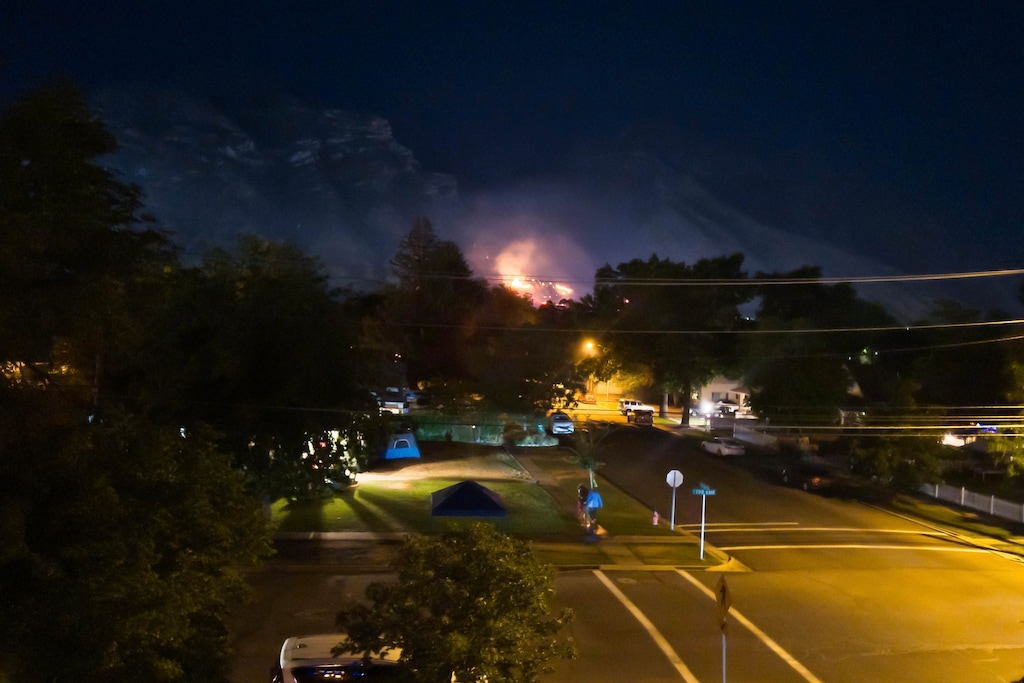
We won’t receive numbers for 2026 fires for a while longer, but it was clear that at least two major fires were sparked by July 4 celebrations this year.
Given those — and this data — you can see why fire officials supported a statewide fireworks ban this July Fourth.
For Pioneer Day, the state is taking a different approach: cities and towns have the option of requesting fireworks bans.