 Tony Semerad
Salt Lake City is reshaping its definition of “family” in its zoning rules to lift a long-standing cap on unrelated folks living together.
The primary motive at City Hall is potentially unlocking housing options across the city by, in effect, loosening a seemingly antiquated regulation on roommates.
But not everybody is happy about this update, especially not in residential neighborhoods around the University of Utah.
Under its existing three-part definition of family in zoning code, the city bars more than three unrelated residents from living under the same roof, with a few exceptions. Yet there are no such caps on folks related by blood, marriage, adoption, or legal guardianship. There also are no caps for two unrelated adults and their children.
City Council members have questioned that balance and city Planning Director Nick Norris once called the regulations “absurd” in this day and age. They have also proved virtually impossible to enforce.
As the affordable housing squeeze continues to pinch, the existing ordinance is also viewed increasingly as an impediment to people crafting their own living arrangements and finding viable places to call home.
The City Council requested an overhaul in zoning code to that family definition in April 2025 and now, a refreshed version that wipes away those relationship distinctions is moving toward council approval.
The latest changes, narrowly embraced by the planning commission and up for final adoption by the council, instead limit occupancy to no more than two people per bedroom, plus one additional person per dwelling.
Who decides what a ‘family’ is?
The proposed changes are in line with existing building codes meant to prevent overcrowding, according to city planners, while also matching the council’s wishes for getting government out of the business of defining what a family is.
That was the council’s original intent and it surfaced again last week before planning commissioners delivered a divided verdict.
“Family extends beyond any definition that we can give it,” said commissioner Lilah Rosenfield. “There’s a great deal of value in allowing all those definitions to flourish by instead really talking about we’re doing, rather than trying to describe a specific boundary.”
Planners also say the limits on unrelated occupants also constrain housing access, ownership and affordability.
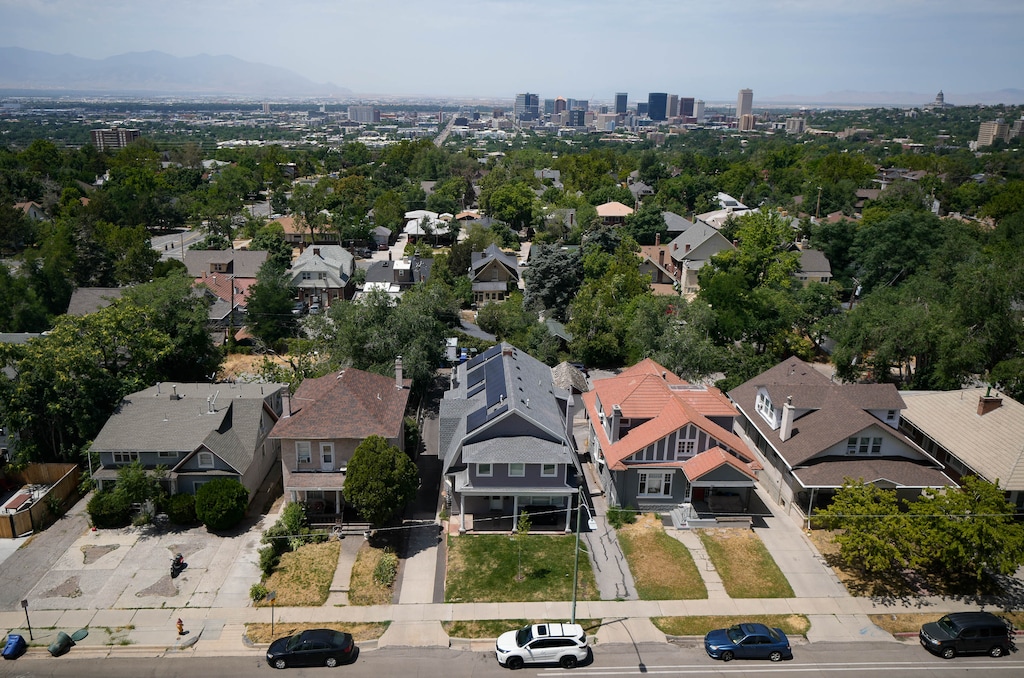
Public input the city has received until now on the whole idea, meanwhile, is filled with objections from homeowners living around the U., in neighborhoods such as Central City, East Central, Sunnyside and the foothills.
Their chief concern: that removing the relationship rules will essentially bump up the allowed occupancy for a range of housing across the area, creating lots more college student housing and making those dwellings more crowded with tenants.
It might also potentially transform the city’s housing stock over time, they contend, away from being used for single-family homes.
Will some neighborhood conflicts get worse?
Many of those residents and their community council leaders say they have struggled for years with negative impacts from housing rented to students in their midst, headlined by rolling conflicts over limited on-street parking in those neighborhoods.
They expect those conditions to now get worse without the restrictions on unrelated people living together.
“This situation is very much a concern for a family neighborhood,” said Brian Burnett, vice chair of the Foothill-Sunnyside Community Council. “If this is allowed to happen, we fear that our neighborhood will be significantly changed.”
Burnett cited the hypothetical example of a prospective investor buying a six-bedroom home near the U. or other campuses and renting it to 12 college students, plus one, under the new ordinance.
“Those people will likely invite other college students over for parties,” he added, resulting in increased parking, traffic, noise and other headaches.
“We doubt,” he said, “Salt Lake City has the enforcement capabilities and political will to mitigate these concerns.”
Next stop: A City Council vote
City planners say the proposed definition changes also affect rules on parking, by essentially deleting language on how the city adds up household members allowed to have vehicles.
And while that’s a major concern for some neighbors, the city contends ongoing parking impacts are not unique to unrelated individuals.
“The city already has enforcement tools [on parking] that are much better ... to address nuisances,” said planner Madison Blodgett, pointing to off-street parking enforcement and time-limited parking zones in place in some of those neighborhoods.
Ultimately, the new draft ordinance drew a 3-2 vote late Wednesday from planning commission members to recommend its approval when it reaches the City Council, which has the final say.
At the urging of commissioner Aimee Burrows, the planning panel supported adding an exemption to some of the occupancy counts with regard to young children, to prevent families from running afoul of the rules and being forced to move as they grow.
Commissioner Richard Leverett, who opposed the changes, raised concerns about unintended consequences of the new rules, while commissioner Anna Sullivan did not publicly state her reasons for voting against them.
Tony covers growth and development issues for The Tribune. He is a former editor and politics reporter and has been with The Tribune since 1991.