facebook-pixel

After Utah decriminalized polygamy, some see a culture shift

The 2020 law change was significant, given Utah’s long history with polygamy.

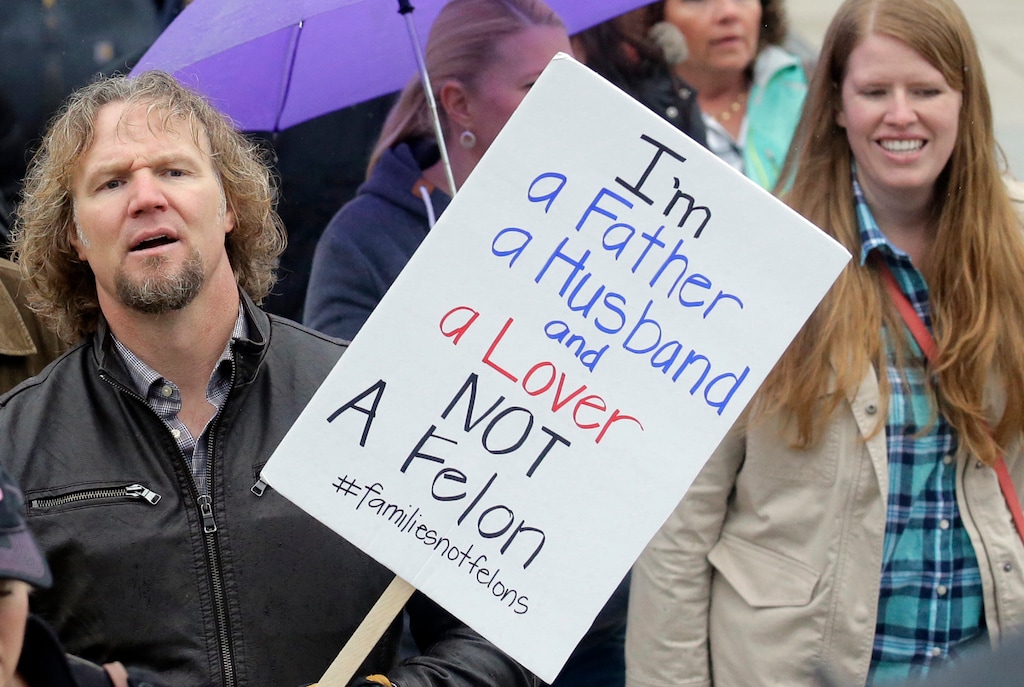
(Rick Bowmer | AP Photo) This Feb. 10, 2017 photo, Kody Brown, left, from TV's reality show "Sister Wives," marches during a protest at the state Capitol, in Salt Lake City. Practicing polygamy in Utah is no longer a felony crime for the first time in 85 years under a bill that passed the Legislature on Friday, Feb. 28, 2020.

(Rick Bowmer | AP Photo) This Feb. 10, 2017 photo, Kody Brown, left, from TV's reality show "Sister Wives," marches during a protest at the state Capitol, in Salt Lake City. Practicing polygamy in Utah is no longer a felony crime for the first time in 85 years under a bill that passed the Legislature on Friday, Feb. 28, 2020.

Hildale, Utah • Marion Timpson’s own marriages reflect Utah’s recent legal battles over polygamy.

“I married Holly in 2005 and Katie in 2013, and I married Lisa in 2014,” the polygamist said, referring to his wives.

One of his marriages took place shortly after a federal judge struck down Utah’s anti-polygamy laws. Reality TV polygamist Kody Brown and his wives sued the state and won, effectively decriminalizing plural marriage as a religious belief. Then a federal appeals court reinstated the bigamy law and the Utah State Legislature passed a law that re-criminalized bigamy.

For Timpson and his family, the shift again was too much.

“Eighteen months later, when the politics changed again, on that ruling, she [Holly] said ‘Let’s get out. We’re leaving Utah,’” he recalled in an interview with FOX 13 News.

To read more about Utah decriminalizing polygamy is 2020, visit FOX13.

This article is published through the Utah News Collaborative, a partnership of news organizations in Utah that aim to inform readers across the state.

Support free news for Utah

sltrib.com is now free to access — no subscription required. We made this decision because we believe access to trustworthy, independent news shouldn’t depend on what you can afford — especially as misinformation and AI-generated content continue to rise.

Free to read doesn’t mean free to produce. Our reporters show up every day to ask hard questions and hold powerful institutions to account. That work takes resources. As a nonprofit newsroom, we rely on support from people who believe it matters. Make a donation today to fund local news that serves Utah communities.

You can help us bring more local news to more communities today.