 Peggy Fletcher Stack
 David Noyce
Many members of The Church of Jesus Christ of Latter-day Saints complain about the fact that there’s no expansive or universal celebration of Easter in their religion.
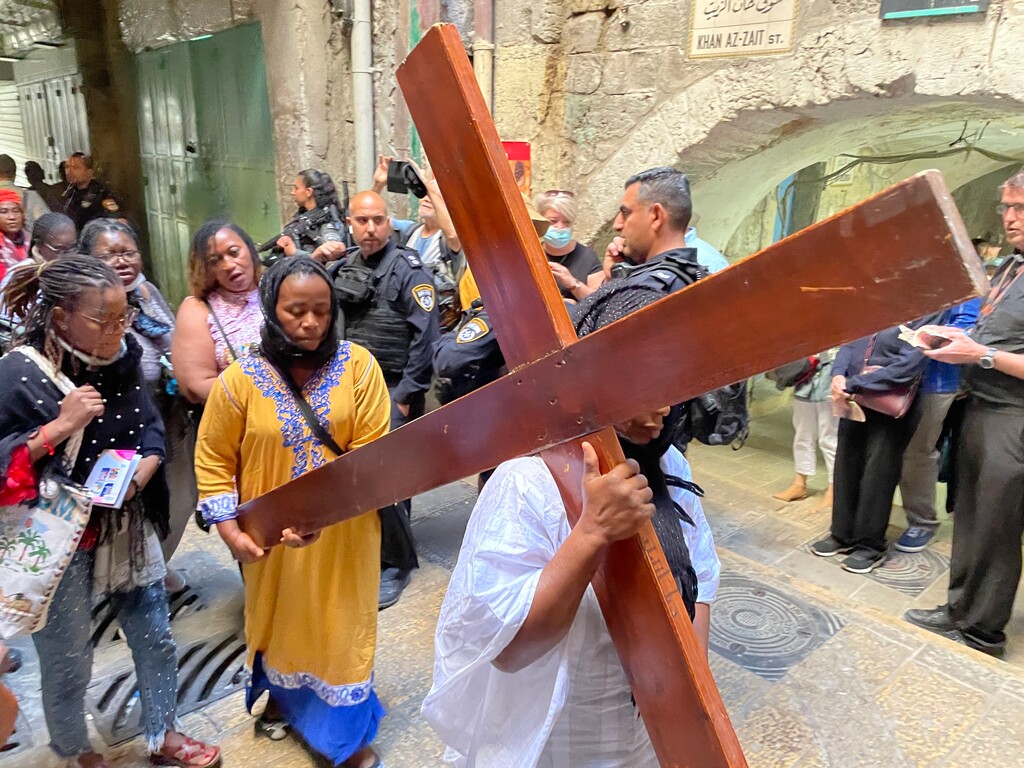
While much of Christendom builds up to the holiest day on the calendar with preparation rituals like Lent or immersive traditions such as waving palms on Palm Sunday, washing feet on Maundy Thursday, or carrying a large cross for Good Friday, Latter-day Saints have no accepted traditions for Easter. Some have begun to develop their own way of commemorating Easter with prayers, readings and discussions.
(Michael Stack | Special to The Tribune) Eric Huntsman, academic director of BYU Jerusalem Center, at the Orson Hyde Memorial Garden in Jerusalem, April 8, 2022.
Eric Huntsman, a Brigham Young University professor of ancient scripture, has spent his career reading biblical texts in their original languages. Huntsman, who is currently the academic director at BYU’s Jerusalem Center, has just published a book in time for the holiday, with Trevan Hatch, “Greater Love Hath No Man: A Latter-day Saint Guide to Celebrating the Easter Season” that explores the scriptural accounts for each day of Holy Week, explains how those events have been celebrated in various Christian traditions and shares suggestions for how Latter-day Saints can get more out of the Easter season.
Listen here: