 David Noyce
 Peggy Fletcher Stack
Members of The Church of Jesus Christ of Latter-day Saints often assert that the organization in their global religion is the same as in the church established by Christ and his earliest followers, “namely, apostles, prophets, pastors, teachers, evangelists, and so forth,” as declared in the church’s Articles of Faith.
But are they really the same?
In a new book, “Ancient Christians: An Introduction for Latter-day Saints,” from Brigham Young University’s Maxwell Institute, scholars describe the early Christian church and how it evolved over the centuries.
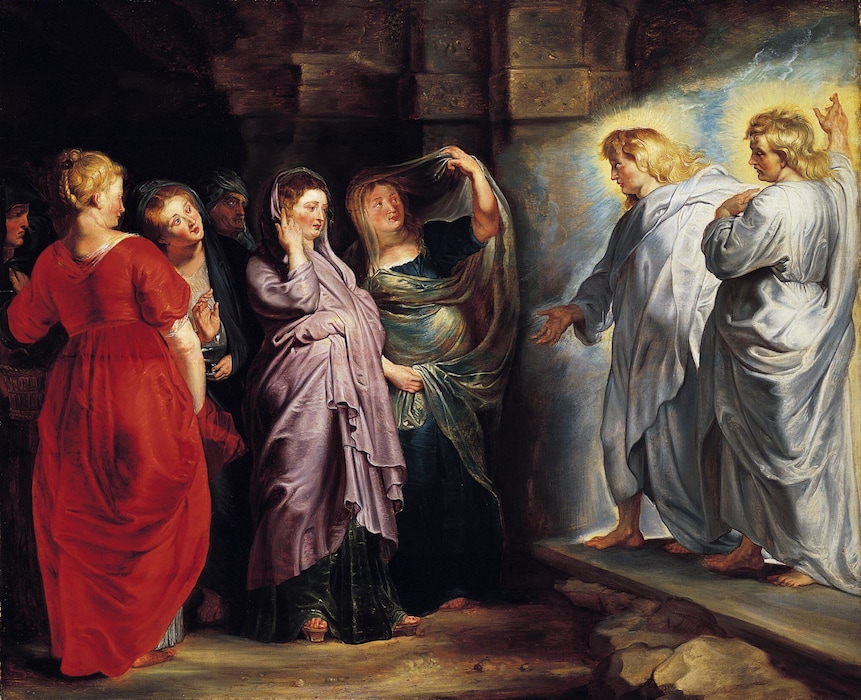
One of the most intriguing questions is about the role of women in ancient Christianity. Given how much patriarchy dominated all forms of the faith, were Jesus’ early disciples and leaders all men?
Not by a long shot, argues Ariel Bybee Laughton, an independent Latter-day Saint researcher and author of a chapter in the new book about women and gender in early Christianity. Jesus’ female followers held significant and vaunted positions in the then-fledgling faith.
On this week’s show, Laughton discusses the ancient church and how the modern Utah-based faith is beginning to return to those roots by increasing women’s visibility, leadership and participation.
Listen here: