 David Noyce
 Peggy Fletcher Stack
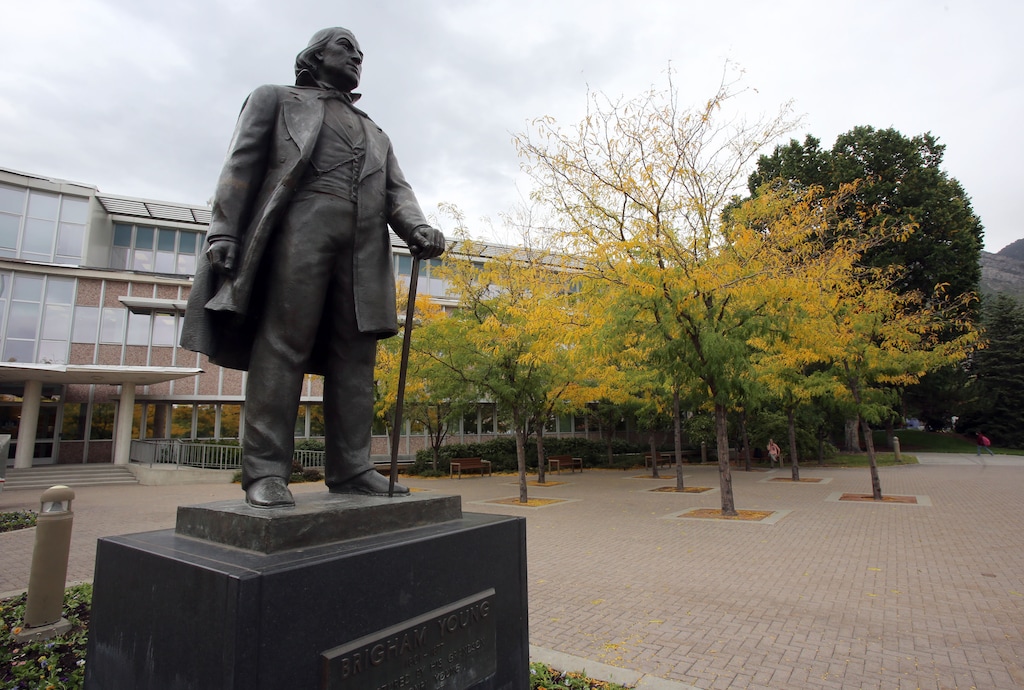
Coming into 2022, Brigham Young University faced a federal investigation about its discrimination against LGBTQ students, allowing heterosexual couples to exhibit “romantic behavior,” while forbidding the same for same-sex couples.
Eventually, the Department of Education’s Office for Civil Rights dismissed the investigation, saying the Provo school, owned and operated by The Church of Jesus Christ of Latter-day Saints, is exempt from federal laws prohibiting gender-based discrimination. These exemptions began in 1976 under then-BYU President Dallin Oaks.
Other issues have since surfaced at the faith’s flagship campus — such as canceling gender-affirming voice therapy for transgender clients, placing stricter limits on protests, and dealing with fallout from a controversial speech by religion professor Brad Wilcox.
On this week’s show, Michael Austin, a BYU alumnus and executive vice president of academic affairs at the University of Evansville, a Methodist school in Indiana, talks about the challenges facing BYU and its academic standing.
Listen here:
[Get more content like this in The Salt Lake Tribune’s Mormon Land newsletter, a weekly highlight reel of developments in and about The Church of Jesus Christ of Latter-day Saints. To receive the free newsletter in your inbox, subscribe here. You also can support us with a donation at Patreon.com/mormonland, where you can access gifts and transcripts of our “Mormon Land” podcasts.]