 The Salt Lake Tribune
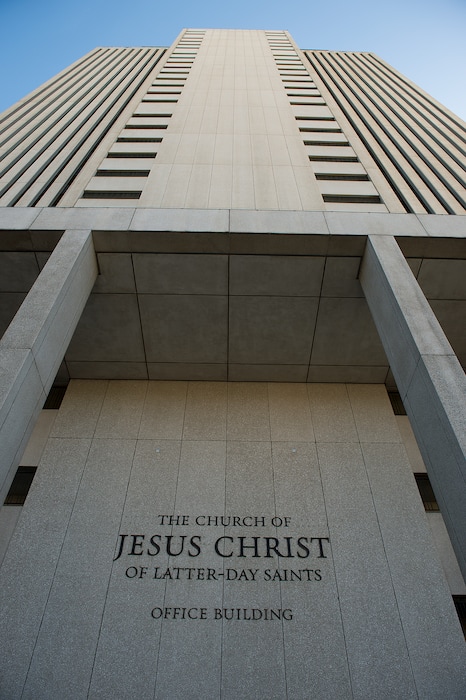
In some respects, the Church Office Building in downtown Salt Lake City is a 28-story monument to a program called “correlation.”
In the 1960s, authorities in The Church of Jesus Christ of Latter-day Saints introduced in earnest a more consistent approach to the faith that came to be known as correlation. The sweeping effort attempted to make every congregation, class and calling the same across all regions, climates and cultures.
These days, critics see correlation as a hindrance. It made the church more patriarchal, they argue, and more bureaucratic. Supporters counter that the undertaking helped the church achieve and accommodate phenomenal growth. It did more to unite the members than divide them, they say, and the fruits of it will be evident at this weekend’s General Conference.
Few historians know as much about correlation as Matthew Bowman, an associate professor of history at Henderson State University and author of the critically acclaimed “The Mormon People: The Making of an American Faith.” Bowman, who is researching a new book about correlation, discusses his findings on this week’s “Mormon Land.”
Listen here: