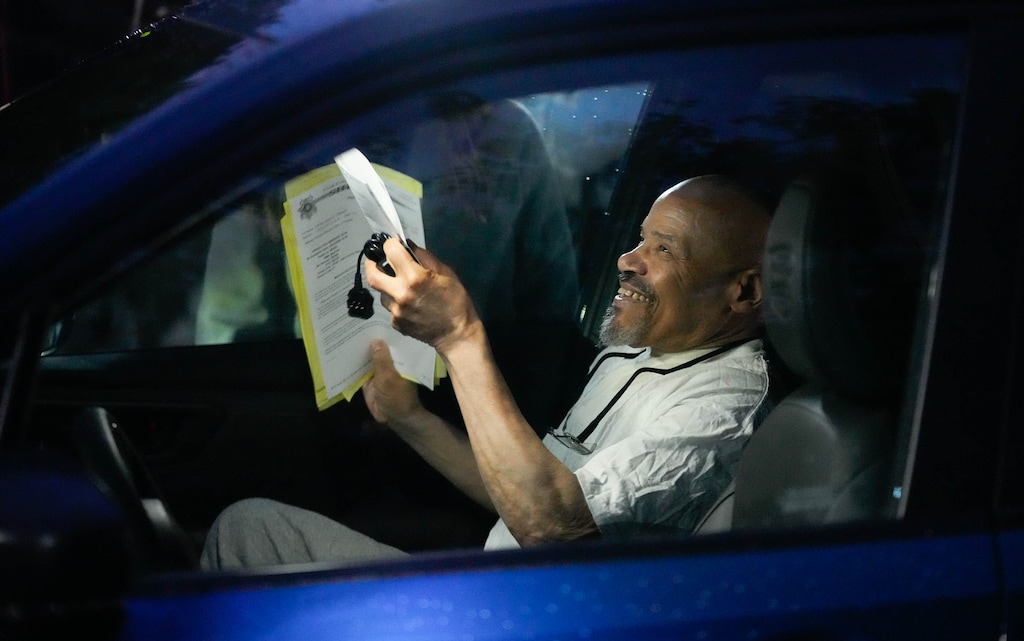
When Douglas Carter was convicted in 1985, the jury saw a signed confession containing nonpublic details of the crime, corroborating testimony from two individuals, and a motive provided by the same two individuals. The motives, robbery and rape, were supported by the victim being found naked from the waist down and her hands tied behind her back, consistent with attempted sexual assault. While no valuables were missing and no physical evidence was found of Carter at the scene, this was still ample evidence for conviction. (Whether it was sufficient for a death sentence is doubtful.)
What we know now is quite different. The Utah courts found constitutional violations: police suborned false testimony, threatened and financially supported the Tovars, instructed them to conceal that support, and the prosecution failed to disclose favorable evidence and correct false testimony. The Utah Supreme Court concluded in 2025 that these violations were prejudicial and therefore vacated Carter’s conviction and sentence and ordered a new trial.
Subsequent to this decision, DNA testing on the knife and nonvictim blood on a door knob provided no match to Carter. Misconduct by layers of law enforcement, as found by the Utah Supreme Court, degrades or eliminates the confession and testimonial evidence in any future proceeding.
Based on public reporting, there appears to be an insufficient likelihood of guilt, creating an abundance of doubt. The Utah County Attorney may have an abundance of motive to continue to pursue this case to protect the county from a potentially large civil award. “CYA” is another form of judicial misconduct, likely related to several psychological mechanisms. This should embarrass Utah County and the entire state even more.
Wrongful conviction is not uncommon, probably in the range of 2-6% of convictions. Successful appeals resulting in permanent reversal are very rare.
I have learned a great deal about this phenomenon in working to get a wrongfully convicted Tongan grandmother out of prison without success.
Before a court verdict, the probability of guilt can be medium or high.
After the verdict, law enforcement sees the probability of guilt as 100%, regardless of fact.
Utah County prosecutors might see Carter in that light, even now.
Joe Perry, Millcreek