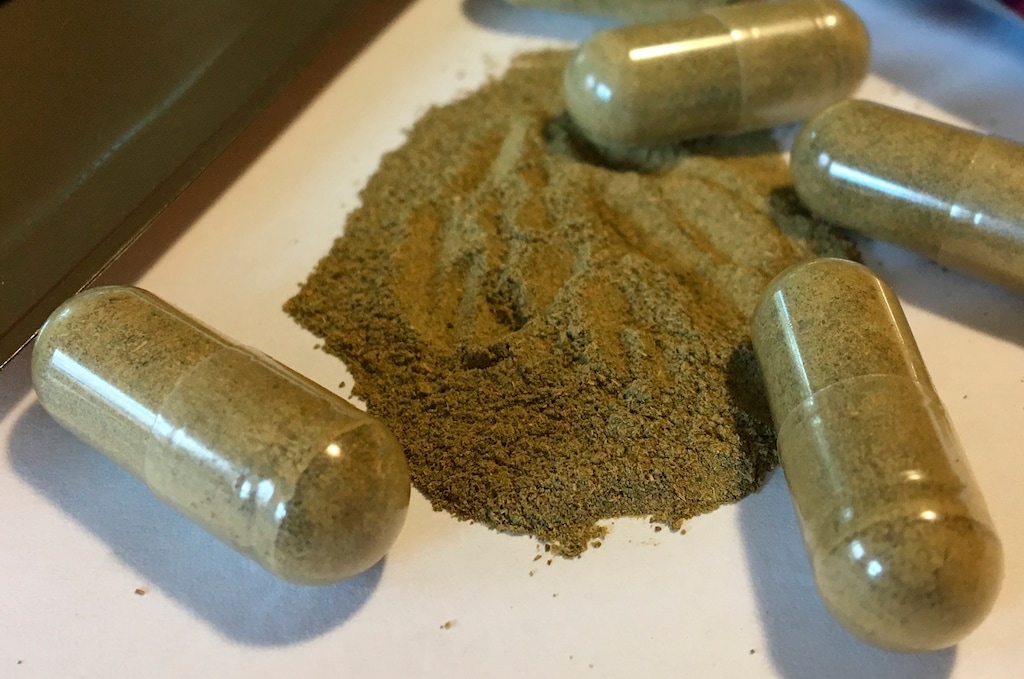
In my work as a substance use disorder counselor, I have encountered an increase in clients struggling with kratom use. Clients are dosing themselves with high amounts, believing it to be a natural and risk-free substance they bought at the gas station to help with pain or energy. When I educate people and clients about kratom, most are shocked. We need to pull together as a state and community to educate people about kratom.
Natural does not mean harmless. Kratom binds to opioid receptors similarly to other opioids, which means many can face debilitating withdrawal. Tolerance can build, and the dosage is not standardized. Although natural, dependence and addiction can still occur. Several of my clients have reported to me that withdrawing from kratom feels almost exactly like heroin withdrawal. There has been evidence to show that kratom harms livers and there has been an increase of calls to U.S. poison centers involving kratom. Kratom products have also been found to contain contaminants and heavy metals.
While Utah stopped sales of kratom products that are not pure leaf kratom in May 2026 and increased the purchasing age to 21, potential harm still sits on shelves. While I do not support criminalization or classifying kratom as a controlled substance, I think Utah needs to take a preventive and educational approach toward kratom for Utahns’ health.
Utah needs to further reduce availability while supporting education and prevention surrounding the substance. Many people are unaware of its potential effects. Rather than taking a shame-based approach where Utahns judge each other, evidence supports prevention and education as tools to reduce substance misuse and addiction. Utahns need to rally together as communities to spread awareness about kratom with open hearts and open minds.
Jordynn Gardner, St. George