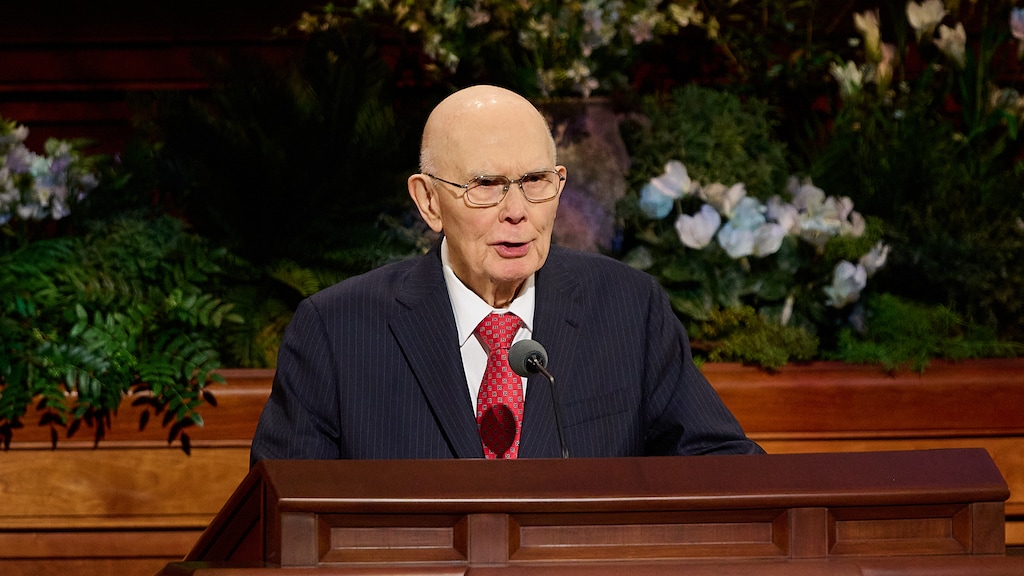
Silence is never neutral. When the man Latter-day Saints sustain as a prophet, seer and revelator stays quiet while state and federal power bear down on people with little ability to defend themselves, that silence begins to look less like restraint and more like a choice with consequences.
I do not doubt President Dallin H. Oaks understands due process; he sat on the Utah Supreme Court. He knows what the rule of law demands. So, when federal power is used to intimidate journalists, undermine free and fair elections, or remove people from their homes without a warrant, it is difficult to believe his training would miss what is at stake. And yet he has said nothing.
Closer to home, Gov. Cox has spent these same years rolling back protections for some of Utah’s most vulnerable children: banning gender-affirming care for trans minors, barring trans students from dorms that match who they are, and enforcing a law that has removed dozens of books, from Judy Blume to Toni Morrison, from public school shelves statewide because a few districts objected. Cox himself once wrote, of a similar bill, that “rarely has so much fear and anger been directed at so few.” He has signed these measures into law anyway. The prophet down the street has said nothing.
It is worth asking what the church’s silence protects. Not doctrine: Oaks speaks plainly on doctrine when he chooses to. What silence appears to protect is comfort — the church’s seat at the table, its tax exemption, its truce with power. I recognize that religious leaders often have good reasons to avoid partisan politics, and that restraint can be wisdom. But Latter-day Saints were once the hunted, driven out by mobs and governors who decided an entire people did not belong. Their prophet today holds the pulpit his ancestors were denied. To spend it on silence while lives and democracy are being damaged is a choice too.
That is not restraint. It is complicity, dressed in reverence.
Rick Shapiro, Oakley