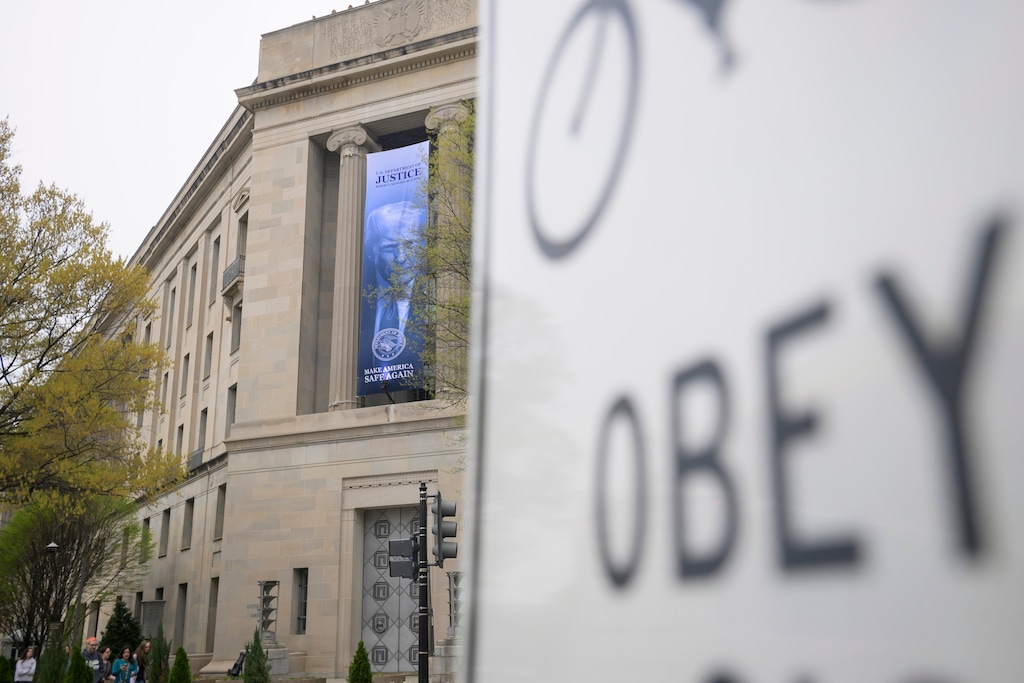
Ever wonder how the Trump administration can make so many bad decisions and yet remain so confident? In 1999, psychologists David Dunning and Justin Kruger wrote their landmark paper titled “Unskilled and unaware of it: How Difficulties in Recognizing One’s Own Incompetence Lead to Inflated Self-Assessments.”
The Dunning-Kruger effect describes a cognitive bias where individuals with limited competence overestimate their abilities, lacking the insight needed to recognize their own shortcomings.
Examples lie in the administration’s approach to complex systems. Decisions involving war, tariffs, international relations, etc., were approached with certainty rather than informed analysis. Career scientists were let go, experienced diplomats were quieted, countries and experts who disagreed with their positions ignored.
This exemplifies the “Peak of Mount Stupid”— the stage of the Dunning-Kruger curve where high confidence meets low knowledge. Because the administration views expertise as a barrier rather than a resource, it operates under the assumption that “common sense” can solve complex problems that actually require years of rigorous study.
The reluctance to acknowledge the steep learning curve inherent in governance reflects a core element of the Dunning-Kruger effect: overconfidence in the absence of deep knowledge.
When advisors offered nuanced, cautionary advice — a sign of moving into the “Valley of Despair” where one actually realizes the complexity of a task — they were dismissed. This dynamic fosters an echo chamber that reinforces the initial overconfidence. By framing complicated geopolitical issues as simple deals that only they could broker, the administration consistently bypasses the institutional knowledge necessary for long-term stability, illustrating a fundamental disconnect between perceived mastery and reality.
The Dunning-Kruger effect also explains those who voted for Trump.
Frank T. Globokar, Cottonwood Heights