An appropriate amount of river water normally flows into the Great Salt Lake to nourish it, keeping it healthy. That incoming water prevents the lake from drying up — from harming lake-dependent wildlife, and from becoming a huge source of toxic dust that could greatly harm the people of Salt Lake City and environs.
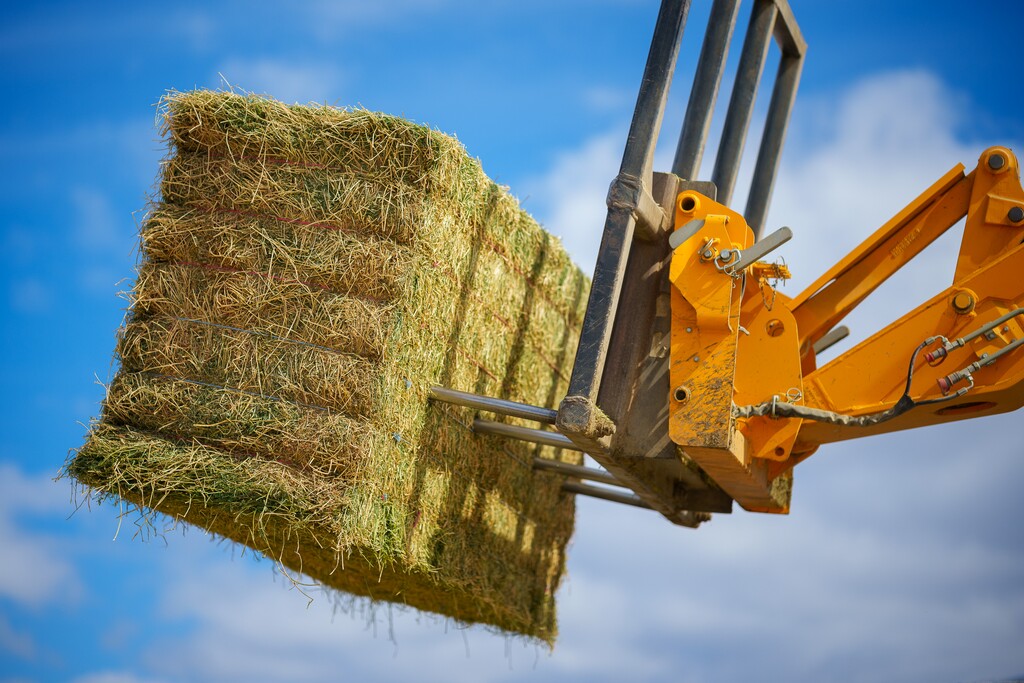
Too much of the water, which would otherwise flow into the lake, is being diverted — mostly to irrigate water-intensive hay (mainly alfalfa) to feed cows in China, India, Saudi Arabia and the U.S. In effect, in arid Utah, hay farmers are exporting billions of gallons of our precious water to foreign nations every year.
Why is that?
Because under outdated laws that must be changed, it’s legal, and it makes people money!
But what if Utah hay farmers became better stewards of the environment, and switched to crops mostly to feed people here at home instead of cows? What if they grew much less thirsty crops in ways that don’t consume and export vast amounts of water? Then the Great Salt Lake would not be in danger of becoming a toxic dust bowl that has been labeled “an environmental nuclear bomb.”
It seems we’re in a classic situation where the quest for money is valued above and at the expense of environmental and human health. The Utah Legislature and the governor should fix the situation — update water rights, help farmers improve their water conservation and stewardship, and protect the Great Salt Lake and our health.
James Westwater, Spanish Fork