facebook-pixel

Letter: No more playing with radioactivity

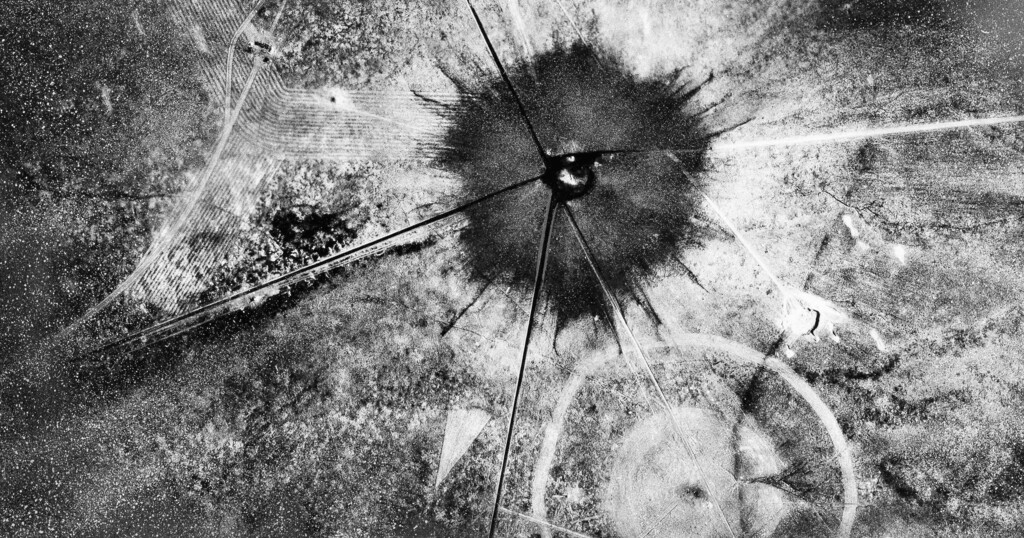
(The Associated Press) This July 16, 1945 file photo shows an aerial view after the first atomic explosion at Trinity Test Site, N.M. A report is scheduled to be released Friday, Feb. 10, 2017, on the health effects of the people who lived near the site of the world's first atomic bomb test. The Tularosa Basin Downwinders Consortium will release the health assessment report, on residents of a historic Hispanic village of Tularosa near the Trinity Test in the New Mexico desert.

(The Associated Press) This July 16, 1945 file photo shows an aerial view after the first atomic explosion at Trinity Test Site, N.M. A report is scheduled to be released Friday, Feb. 10, 2017, on the health effects of the people who lived near the site of the world's first atomic bomb test. The Tularosa Basin Downwinders Consortium will release the health assessment report, on residents of a historic Hispanic village of Tularosa near the Trinity Test in the New Mexico desert.

Allowing more nuclear waste into Utah is shortsighted. Don Gale’s April 29 commentary about the southern Utah downwinders during the 1950s, many of whom died of cancer as a result of living downwind of the open air nuclear tests, reminds us of the unintended consequences of playing with radiation.

Another example in Utah is the epidemic of Navajo neuropathy, a severe birth defect eventually determined to be caused by uranium waste from mining on the reservation leaching into the groundwater.

We are assured that the depleted uranium that will be brought into the state will not endanger the population of Utah. Utahns have received these reassurances before.

I am a child of downwinders. We know what happened to the first generation. But what about the second? Or the third? No one knows. No one had studied us.

How long are we going to endanger Utahns by playing with radioactivity?

JJ Esplin, Salt Lake City

Submit a letter to the editor

Support free news for Utah

sltrib.com is now free to access — no subscription required. We made this decision because we believe access to trustworthy, independent news shouldn’t depend on what you can afford — especially as misinformation and AI-generated content continue to rise.

Free to read doesn’t mean free to produce. Our reporters show up every day to ask hard questions and hold powerful institutions to account. That work takes resources. As a nonprofit newsroom, we rely on support from people who believe it matters. Make a donation today to fund local news that serves Utah communities.

You can help us bring more local news to more communities today.