facebook-pixel

Letter: Promontory Point is no place for a landfill

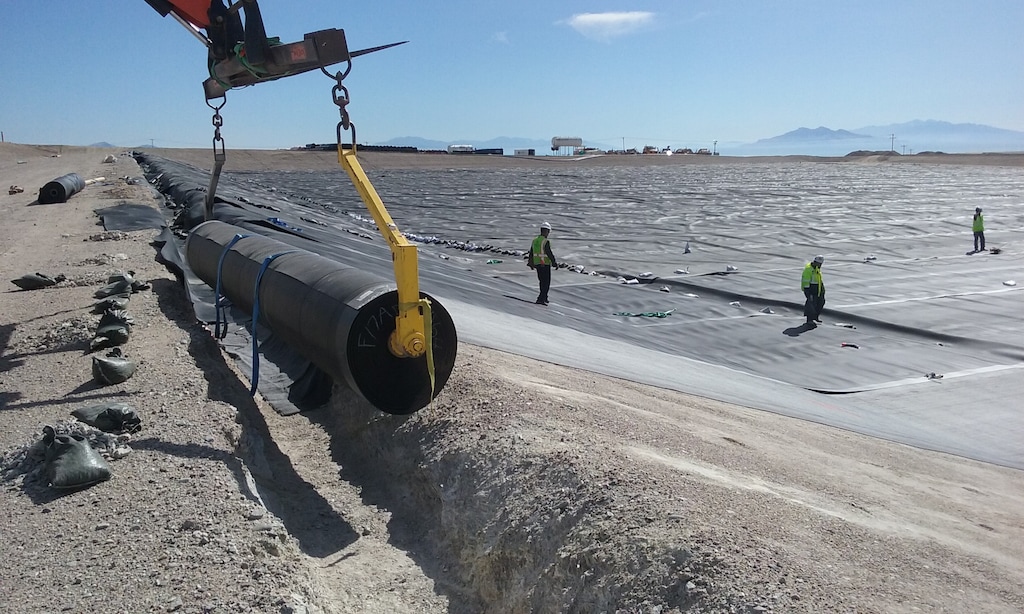
This major landfill is under development on the southern tip of Promontory Point in the Great Salt Lake. Promontory Point Resources is seeking a state permit that would allow it to take out-of-state industrial waste. Photo courtesy of Utah Department of Environmental Quality.

This major landfill is under development on the southern tip of Promontory Point in the Great Salt Lake. Promontory Point Resources is seeking a state permit that would allow it to take out-of-state industrial waste. Photo courtesy of Utah Department of Environmental Quality.

Don’t be fooled. A landfill on Promontory Point will accept hazardous waste (“Promontory landfill will not receive hazardous waste,” Tribune, Feb. 6). It depends on how you define “hazardous.”

If granted a Class V waste permit, materials deemed hazardous by science (e.g. mercury, cadmium and arsenic, which are toxic to humans and wildlife), but not classified as “hazardous waste” in the state of Utah, will be put in the landfill. Toxic substances then will be adjacent to Great Salt Lake.

This terminal lake will hold any pollutant forever as there is no outlet. If the landfill liners fail and toxins enter the lake, the toxins will stay there forever (not a long shot given it’s next to a fault likely to rupture in an earthquake). If the lake dries up, due to climate change and water diversions, the pollutants could then become an air quality problem in the blowing dust.

Not only could the toxic materials harm our economically and ecologically important lake. We also could be breathing these “nonhazardous” materials. Still OK with being told this is not hazardous waste?

Great Salt Lake is not the place for a new landfill.

Jaimi Butler and Bonnie Baxter, Great Salt Lake Institute, Westminster College

Support free news for Utah

sltrib.com is now free to access — no subscription required. We made this decision because we believe access to trustworthy, independent news shouldn’t depend on what you can afford — especially as misinformation and AI-generated content continue to rise.

Free to read doesn’t mean free to produce. Our reporters show up every day to ask hard questions and hold powerful institutions to account. That work takes resources. As a nonprofit newsroom, we rely on support from people who believe it matters. Make a donation today to fund local news that serves Utah communities.

You can help us bring more local news to more communities today.