Utah prides itself on strong social cohesion and a cultural emphasis on trust and cooperation. These traits are widely viewed as assets, particularly in team-based environments where coordination and mutual reliance are essential. However, research from the University of Utah’s David Eccles School of Business suggests that these same cultural strengths may also create unintended challenges for organizational accountability.
Our recent work examines how “loyalty” operates within team settings and how it interacts with what economists term moral hazard in teams. In such environments, individual effort is difficult for supervisors to observe directly, while coworkers often have better visibility into one another’s actions. This informational asymmetry creates opportunities for individuals to reduce effort — commonly referred to as “shirking” — while benefiting from the contributions of others.
One proposed mechanism to mitigate this problem is peer reporting, whereby employees report observed deviations or misconduct to supervisors.
In theory, peer reporting can be highly effective because it leverages local information and allows organizations to intervene before small issues escalate. Empirically, however, peer reporting is often underutilized.
A key factor identified in our research is the role of loyalty. While loyalty can discourage individuals from shirking, it can also inhibit them from reporting the misconduct of peers. Importantly, we find that even a small proportion of individuals who are unwilling to report can influence the behavior of others. When employees anticipate that observed issues will go unreported, the perceived cost of reducing effort declines, potentially leading to broader patterns of underperformance.
These dynamics are particularly relevant in sectors that rely heavily on teamwork and where failures can have significant consequences. Healthcare is a salient example. Clinical environments are characterized by complex interdependencies, time pressure and limited managerial visibility into frontline activities.
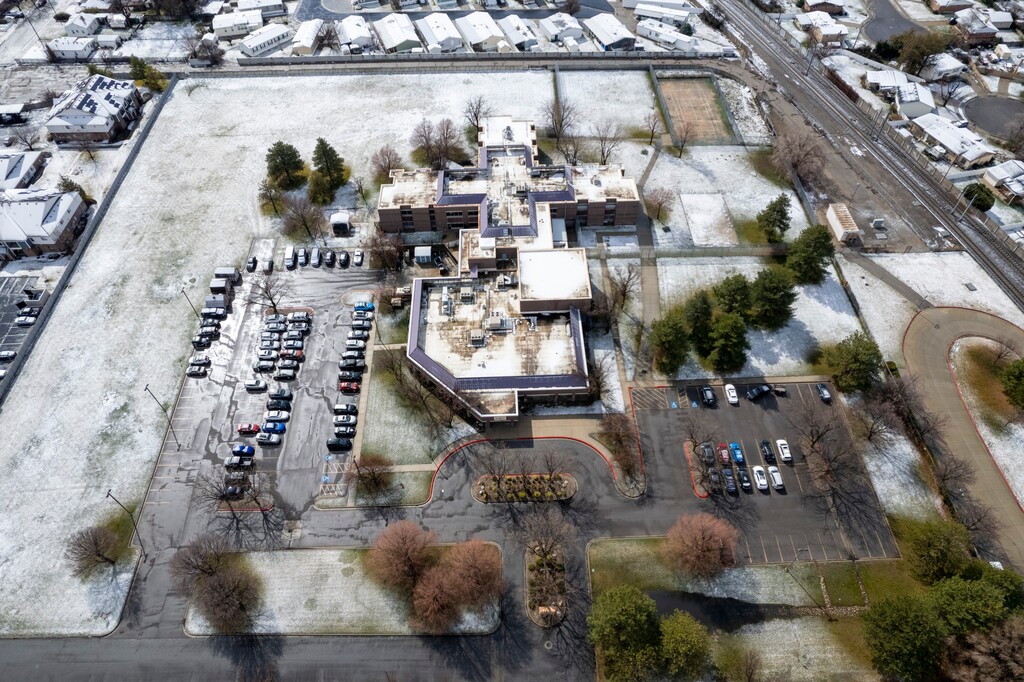
Evidence from Utah illustrates how reporting dynamics can affect outcomes. Investigations into a Midvale psychiatric facility documented repeated safety incidents, including assaults, that were not consistently reported to external authorities. In some cases, employees did not escalate incidents, and concerns were instead raised by patients or families. While multiple factors contributed to the situation, the case underscores how breakdowns in reporting at the employee level can allow risks to persist over time.
Similarly, to address underreporting of workplace violence at hospitals, Utah legislators recently introduced HB380. The bill requires that hospitals implement formal reporting systems for workplace violence by November 2026. Resolving the frictions from a misplaced sense of loyalty would be key to ensuring the success of such well-intentioned initiatives.
More broadly, Utah’s rapid economic and population growth, particularly along the Wasatch Front, has increased the scale and complexity of many organizations. As systems become more complex, the gap between what managers can observe and what frontline workers experience is likely to widen, increasing reliance on internal reporting mechanisms.
At the same time, social norms that prioritize harmony and cohesion may raise the perceived social cost of reporting peers. Terms such as “snitch” or “rat,” while informal, reflect broader stigmas that can discourage individuals from raising concerns, even when doing so would improve collective outcomes.
These considerations suggest a need to reassess how loyalty is conceptualized within organizations. Loyalty is often implicitly associated with protecting colleagues from scrutiny. However, in high-stakes environments, this interpretation may be counterproductive. An alternative framing would define loyalty in terms of commitment to shared objectives, including safety, quality and organizational integrity.
Operational practices in other industries provide useful reference points. In the Toyota Production System, for example, workers are empowered to halt production when they identify defects or safety concerns. This mechanism, often referred to as the “Andon cord,” is designed to normalize reporting as a routine component of work rather than an exceptional or disloyal act.
For Utah organizations, similar principles could be applied. Interventions might include training programs that clarify expectations around reporting, leadership messaging that reinforces the legitimacy of raising concerns and systems that reduce the personal and social costs associated with doing so. Structural measures, such as anonymous reporting channels or team rotation, may also help mitigate barriers.
Importantly, the research indicates that financial incentives alone are unlikely to resolve underreporting. Cultural factors (particularly norms surrounding loyalty and peer relationships) play a central role.
Utah’s emphasis on community and mutual trust remains a significant strength. The challenge is to ensure that these values support, rather than hinder, accountability. Reframing loyalty as a commitment to collective performance and safety, rather than silence, may be a necessary step in that direction.
In complex, team-based environments, the effectiveness of organizations depends not only on individual effort, but also on the willingness of individuals to act on the information they possess. Strengthening that willingness may be essential to sustaining both performance and public trust.
(Nitin Bakshi) Nitin Bakshi is the Chair of and Professor in the David Eccles School of Business’s Department of Operations and Information Systems.
Nitin Bakshi is the Chair of and Professor in the David Eccles School of Business’s Department of Operations and Information Systems.
The Salt Lake Tribune is committed to creating a space where Utahns can share ideas, perspectives and solutions that move our state forward. We rely on your insight to do this. Find out how to share your opinion here, and email us at voices@sltrib.com.