 Andrew Christiansen
Note to readers • Click here to find an interactive map where you can enter your address to see all the races on your ballot that have a voter guide from The Salt Lake Tribune.
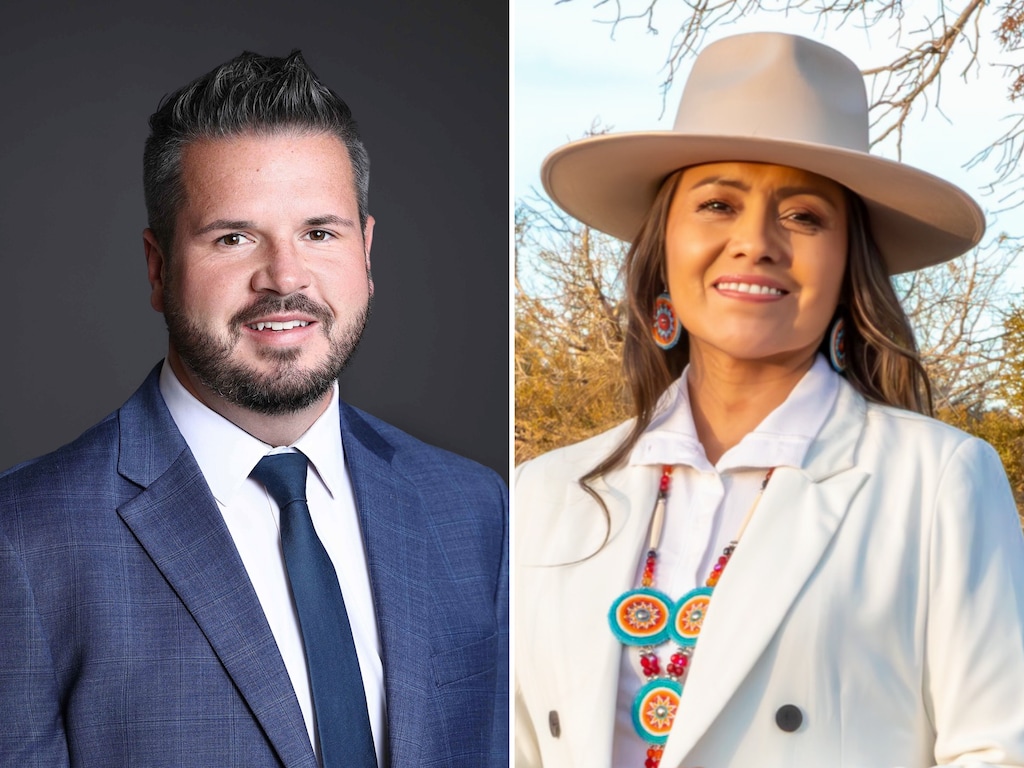
Voters in Utah House District 69 will choose between Republican Rep. Logan Monson and Democratic challenger Tracie Yellowman Tso in the Nov. 3 election.
The largest district in the Utah House by area covers all of Grand, San Juan, Garfield, Wayne and Kane counties, along with part of Emery County.
Monson was elected in 2024 after serving as the a city councilor and mayor of Blanding. A registered nurse and nurse administrator, he serves as vice chair of the House Health and Human Services Committee.
Yellowman Tso, a Diné woman from San Juan County, has worked as a pipe welder for more than 20 years. She earned a bachelor’s degree in community health education and promotion from the University of Utah and is pursuing a master’s in public health.
Mail ballots must be placed in a ballot drop box by 8 p.m. on Election Day or, if returned by mail, received by the county clerk by that deadline.
Candidates submitted photos and answers through a questionnaire. Answers may have been edited for style and clarity. Candidate responses are listed in alphabetical order by last name.
Utah voters told us government corruption is their top concern in this year’s election. Why do you think voters feel this way? And why should Utahns trust you to represent them?
Monson: Utahns deserve a government that is transparent, accountable and focused on the people it serves. Recent audits and investigations reinforce why oversight matters. I have worked in healthcare, local government and now the Legislature, and I believe public service means being willing to ask hard questions, disclose the facts and take responsibility for decisions. I will continue to put Utah taxpayers and communities first.
Yellowman Tso: When voters raise concerns about corruption, I hear a concern about trust. This isn’t about blaming one person or party, it’s about a transparent, accountable process. Decisions affecting places like Bears Ears and Grand Staircase-Escalante can deeply affect tribal nations and local communities. People deserve clear explanations and meaningful opportunities to participate before decisions are finalized, not just to be informed afterward.
Utahns told us affordability is their second-highest priority in this election. How would you help Utahns afford housing, groceries, gas and other day-to-day expenses?
Monson: Utah can make life more affordable by keeping taxes and unnecessary regulation in check, expanding housing supply, improving infrastructure and protecting competition. We should also make it easier to build homes where communities need them and avoid policies that drive up the cost of energy, food and transportation. Rural Utah needs a seat at the table when statewide affordability policies are developed. Working with our federal delegation to communicate these needs is a top priority.
Yellowman Tso: Affordability requires looking at the numbers and listening to communities. I would review taxes and policies affecting housing, groceries, fuel and utilities, identify what is working and where gaps remain, and support good-paying jobs, water and infrastructure. I would work with rural communities and through government-to-government relationships with tribal nations to identify barriers and ensure that available resources reach the people they are intended to serve.
Water resources were also a top concern for voters. What policies would you support as Utah looks to balance growth with preservation of the Great Salt Lake and the Colorado River?
Monson: Utah needs to conserve water while recognizing the needs of agriculture, communities, industry and a growing population. I support investing in conservation, storage, infrastructure and water reuse, while protecting existing water rights and improving accountability for how water is used. Utah should pursue practical solutions that preserve water for both people and the environment.
Yellowman Tso: Water decisions should be guided by reliable data, research, long-term planning and the people who depend on these resources. I would examine water needs, costs and impacts before major infrastructure investments while supporting conservation and responsible growth. Farmers, ranchers, communities and industry should have a voice, along with government-to-government engagement with tribal nations. We must protect the Great Salt Lake and Colorado River while planning responsibly for Utah’s future.
What is another topic you care about and want to address if elected to public office?
Monson: Rural Utah needs a strong voice in decisions made in Salt Lake City. I want to continue improving rural healthcare, protecting access to local hospitals and services, supporting education and public safety, and protecting responsible access to our public lands. All statewide policy should recognize that what works along the Wasatch Front may not work in San Juan, Grand, Emery, Wayne, Garfield or Kane counties.
Yellowman Tso: Rural issues are interconnected. Access to healthcare, education, disability services, transportation, infrastructure, jobs and civic participation can all be affected by where someone lives. I want to look at these challenges together, use data and local knowledge to identify gaps, and listen to the people experiencing them. Rural communities deserve to be part of the decisions that affect their families and their future.
How will you vote on Constitutional Amendment A? If passed, the amendment will stop the practice of publishing the full text of amendments and ballot questions by lawmakers in a newspaper for 60 days ahead of an election and instead require that text to be published on two state websites.
Monson: For
Yellowman Tso: Against
How will you vote on Constitutional Amendment B? If passed, citizen-proposed laws that increase taxes would need to be approved by 60% of voters, instead of a simple majority.
Monson: For
Yellowman Tso: Declined to answer
What’s your favorite book and why?
Monson: “Them” by Ben Sasse. It reminds me that behind every political issue are real people, families and communities. We don’t have to agree on everything to respect each other and find ways to work together. I think that’s something America needs.
Yellowman Tso: “Killers of the Flower Moon.” As a Diné woman, mother and researcher, I value its research and how it brings Native history forward. Its stories of resilience remind me why all of our children should know the strength of those who came before them.