 Robert Gehrke
An Oklahoma-based maker of products containing the supplement kratom is suing Utah over the Legislature’s attempts to ban certain types of the product.
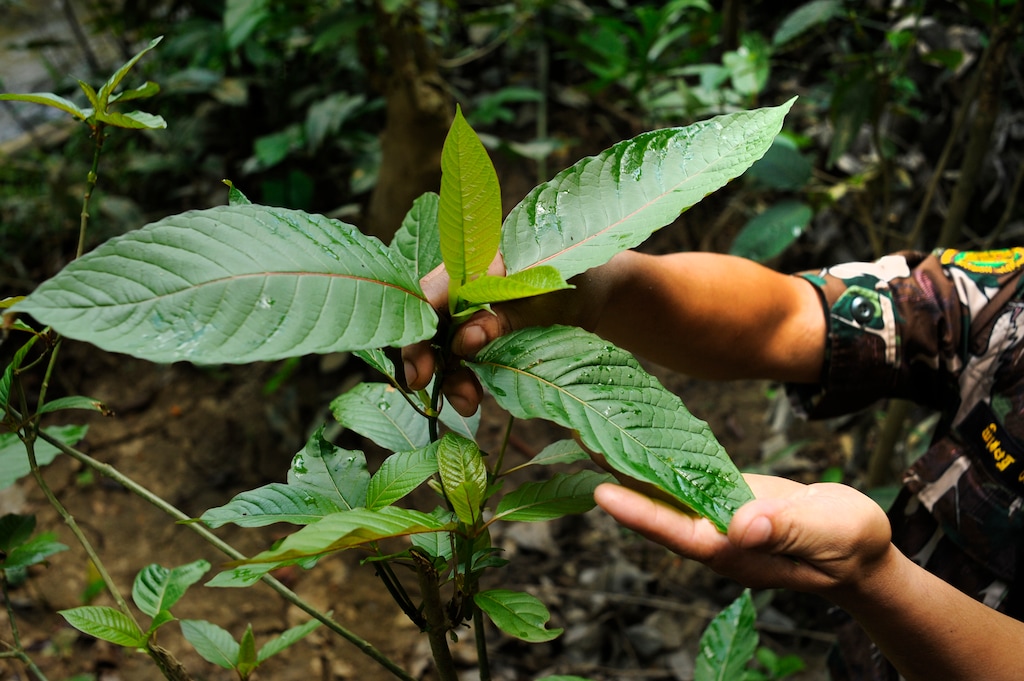
Kratom, an extract from a plant that grows in Southeast Asia, has been turned into a tea and used to treat pain or boost energy. It is not an opioid, but acts on the same receptors and can be used to ease opioid withdrawal.
But due to concerns of its addictive nature and roughly 200 deaths of kratom users in the state — the vast majority of them along with other substances — lawmakers sought to ban concentrated versions of what Sen. Mike McKell, R-Spanish Fork, referred to as “gas station heroin.”
Under the new law, leaf kratom, the raw product of the plant, can be sold in licensed smoke and vape shops. Concentrated kratom extracts are banned, as are products that contain kratom along with other substances.
That last provision is what gave rise to the lawsuit filed this week by Botanic Tonics, a company that manufactures a product called Feel Free, which contains a mixture of kratom and kava. The latter is a plant extract used in some instances as an alternative to alcohol due to its calming effects.
The law doesn’t take effect until May 6, but attorneys for Botanic Tonics say its products will have to be pulled from shelves in 321 stores in Utah and will cost the company more than $10 million in lost business and future business prospects.
Lawyers for Botanic Tonics and the Global Kratom Coalition, a kratom trade group, argue Congress has established a regulatory framework for dietary supplements — including the 1994 Dietary Supplement Health and Education Act, sponsored by then-Sen. Orrin Hatch — that forbids states from imposing their own restrictions.
Additionally, they argue, Utah’s law bans products that contain any amount of a chemical called mitragynine pseudoindoxyl. The plaintiffs contend the chemical occurs naturally in kratom in small amounts, and prohibiting any amount of it effectively bans every kratom product from the market.
A spokesperson for Attorney General Derek Brown, one of the parties named in the suit, declined to comment.
McKell, who sponsored the bill, said he’s not surprised that Botanic Tonics is suing the state, but believes the state is on sound legal footing.
“Feel Free, in my view, is one of the worst products sold in the state, one of the most dangerous,” he said. “And I think it’s hurt a lot of folks.”
If Botanic Tonics wanted to comply with the law and make a product using only leaf, without extracts or other additives, McKell said, they could do that.
“They’re not going to do that because the product wouldn’t be addictive to the levels they want,” the senator said. “Their business model, as far as I can tell, is get people addicted so they buy larger and larger amounts of the product.”
Botanic Tonics did not respond to a request for an interview.
The U.S. Food and Drug Administration has determined that kratom is not appropriate for use as a dietary supplement because too little is known about the potential health effects and recommends Congress take steps to regulate one of its components, 7-hydroxymitragynine or 7-OH, as a controlled substance.
Absent that federal action, states have stepped in to restrict or ban kratom products. Thirty states and the District of Columbia have some regulations in place for kratom products, ranging from age restrictions to outright bans, according to a January report by the U.S. Office of National Drug Control Policy.
At the time, six states had classified 7-OH and another kratom alkaloid, mitragynine, as controlled substances, making it illegal to possess. Connecticut joined the ranks last month. Utah would become the eighth state when the law takes effect in May. Ohio imposed an emergency rule banning kratom products.
Florida and Washington, D.C., have banned 7-OH.
In Missouri, the attorney general has launched investigations into major kratom producers in the state and earlier this week filed a lawsuit against one of the manufacturers. And last year, the FDA and Justice Department seized 7-OH products at three warehouses in Missouri.
It is one of several raids in recent years, including one in May 2023 in which U.S. Marshals, coordinating with the FDA, seized $3 million worth of Feel Free from Botanic Tonics, although the government dismissed that case in January.
In 2024, Botanic Tonics agreed to pay $8.75 million to settle a class action lawsuit that accused the company of not disclosing how much kratom is in its product and downplaying the potential risks of consuming too much. Botanic Tonics did not admit wrongdoing.
And last December, Fortune reported that some users of Feel Free, sold as a way to increase focus and improve mood, also reported becoming addicted to the product.