 Bryan Schott
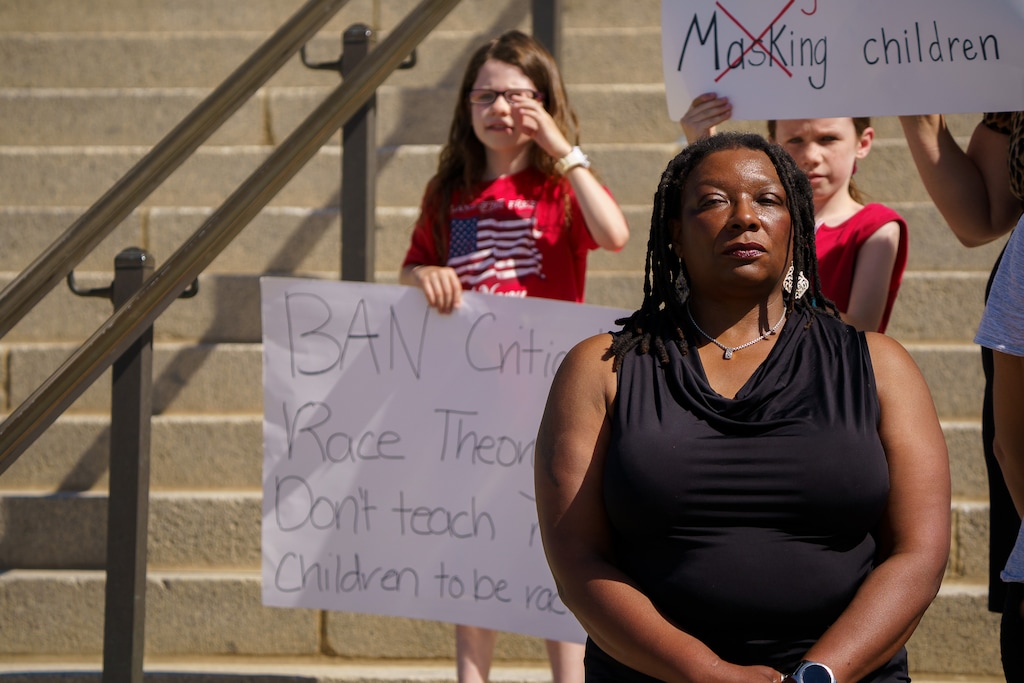
Critical race theory is not currently taught in Utah’s schools, and there are no plans to introduce the curriculum anytime soon. So why are so many people worried about it?
The concept looks at American history by examining how racism and racial issues have shaped events and led us to where we are today.
“A lot of people grew up with a pretty narrow view of American history,” says Darlene McDonald of the Utah Black Roundtable. “We learned about Martin Luther King Jr. Maybe we learned a little bit about Malcolm X. But they don’t know about Bloody Sunday or Marcus Garvey or Nat Turner.”
“A lot of people grew up believing the civil rights movement began and ended with the Reverend Dr. King,” she added.
McDonald says there are a lot of things in American history that make people very uncomfortable, and that’s one of the reasons we shy away from confronting them.
“We want to have this idealistic idea of what slavery was,” she says. “People didn’t just show up to work one day. They did not work eight hours, then went home to the family, ate a good meal, went to bed and went back to work the next day. But, that’s what people want to have in their minds of what it was and who the slave owners were.”
Darlene McDonald on Twitter: @VoteDarlene
Subscribe to the podcast for free here.