 Lee Davidson
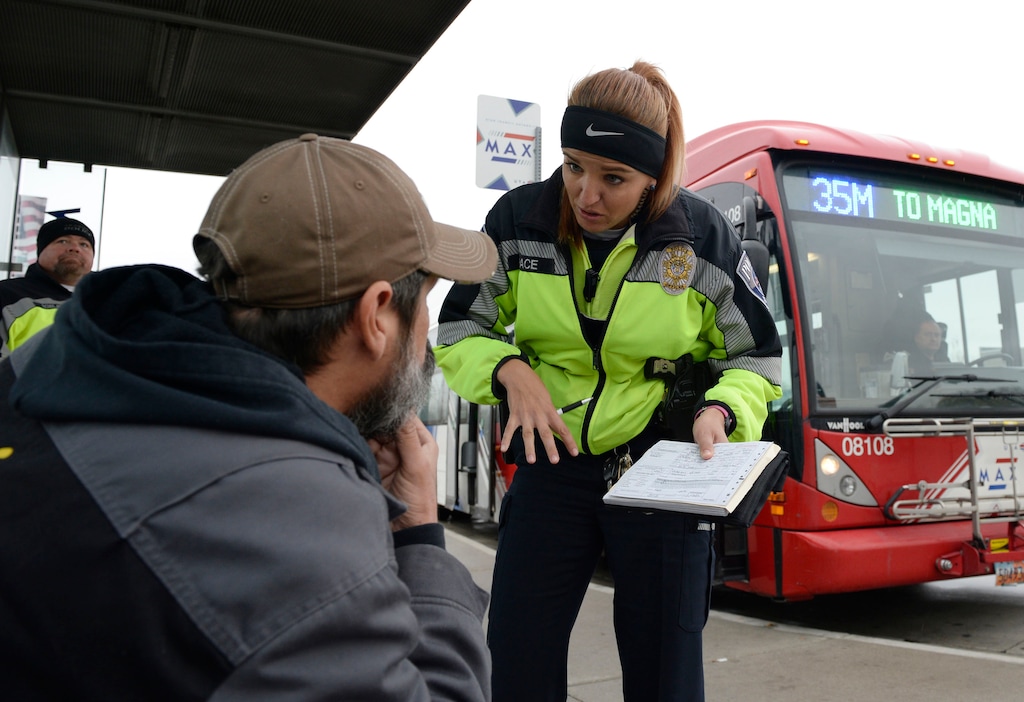
Operating ticket vending machines costs nearly as much as the fares they collect on the 35 MAX bus — a partial bus rapid transit route in West Valley City. So the Utah Transit Authority Board decided Wednesday to dump them, and depend on bus operators to collect all fares.
When officials launched the 35 Max a decade ago, they hoped to speed service by passengers buying tickets before they board from one of 26 machines at stops. But the route also had on-bus fare boxes for stops in neighborhoods that lacked the machines.
Lorin Simpson, UTA general manager for Salt Lake County, said all the aging machines now need to be replaced at $17,000 each.
He said UTA also spends $25,000 a year on maintenance for all of the machines.
But only about 7% of MAX passengers actually buy tickets from the machines, while most use passes or pay at the onboard farebox.
Simpson said officials figured that the replacement cost of the machines and maintenance over time averages to about $80,000 a year, while the machines collect only about $83,000 a year in fares.
“It would essentially eat up all of our revenue,” he told the UTA Board on Wednesday.
The board approved discarding the machines, effective in December.
Switching to onboard fare collection could slow operations somewhat. But Simpson said that with only 7% of MAX passengers currently using the machines, selling tickets onboard won’t cause too much delay and should fit within existing schedules.