 Jordan Miller
One of Utah’s largest mammals is being taken down by something smaller than a penny.
Moose in the Wasatch Mountains are being “sucked to death” by ticks, Utah Division of Wildlife Resources researcher Kent Hersey said, explaining a decades-long decline in their population. Warmer winters, meanwhile, mean a boom for the parasite’s population, so biologists are working on a solution to stave off the pests.
“We haven’t seen tremendous declines,” Hersey said. “We had concerns in those drought years of 2018, 2020, and that’s when we started formulating the idea that, ‘Well, we need to continue some of the work we’ve been doing to really get a grasp of what’s going on with the moose here in Utah — and specifically on the Wasatch.’”
Hersey said Utah’s moose population is currently a little under 3,000, a few hundred beyond the population low of about 2,600 in 2013, according to the state’s 2017 moose management plan. The plan, which is updated every 10 years, said moose populations did not rebound as quickly as they should have, while more recent studies pointed to ticks as the culprit.
While moose are susceptible to the minuscule blood-suckers, elk and deer fare far better. That fact may have wildlife managers puzzled, but it’s not the main question they are setting out to answer in a new study this year.
Instead, Hersey is leading a research effort to figure out where and when moose are getting infested. Answering those questions, he said, could help preserve moose in the mountains.
Ticks attach to animals in the fall as larvae, living on them for months before feeding off the animal’s blood in early spring, just before calving season begins in May. A few ticks aren’t a huge problem, but some moose are home to over 10,000 of the pests, Hersey said.
“When you have that amount of blood being taken from you, obviously, it’s a lot of energy to replenish that blood, and then it’s very irritating as well,” he said. “So the moose are rubbing their coats, and they break their hair off… they look horrible, and all their hair is missing, and it’s because of these ticks, where they’re rubbing to try and get them off.”
A half-bald moose can’t handle the cold weather in which it usually thrives, so the animal has to use more of its energy and fat stores to warm up, which causes many to die of malnutrition as a result, Hersey said. The ticks, he added, are particularly devastating to calves.
“On the Wasatch in particular, we’ve been getting a lot of calls on moose where people are finding them or seeing them and they’re in bad shape,” Hersey said.
Often, he said, the animals are so malnourished they can barely walk, so the only solution is euthanasia.
“You can tell,” Hersey said. “You’re going to see a lot of moose with hair loss. But as long as they’re moving around OK … we’re not too concerned. But sometimes they’re at the point where they truly are near death.”
Researchers have major concerns for this year, since the lack of snow may create a “huge year” for Utah’s tick population, Hersey said. When winters are warmer, fewer ticks die in the cold and snow.
If moisture trends continue, a lack of high-quality food will mean moose are thinner come fall — making tick infestations potentially more lethal because the animals will have a harder time replenishing the energy that gets sucked from them, Hersey said.
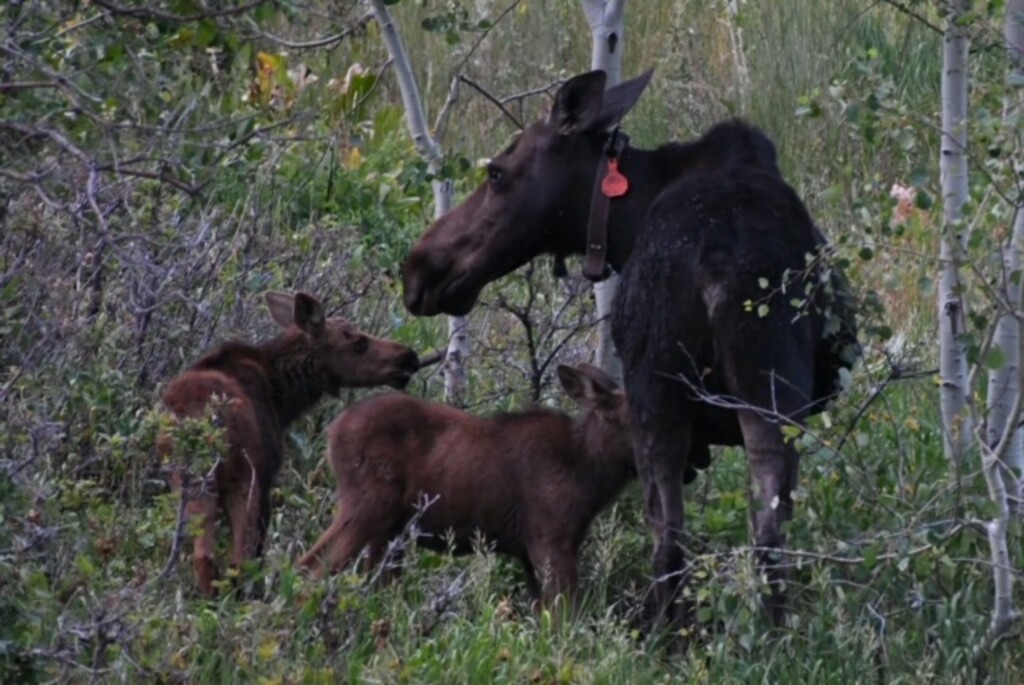
These environmental factors mean Hersey’s study will help researchers understand the “worst-case scenario,” but the conditions won’t be good for the moose population, he said. In January, DWR kicked off the project by attaching GPS collars to around 60 cow moose and calves.
Researchers counted the number of ticks on the moose at the time, and the collars will track animals’ movements to determine where they are picking up the parasites, Hersey said. That information will point to what DWR can do to reduce tick loads, such as ensuring better access to habitats with lower tick populations.
“That’s exactly what we’re trying to do: learn about them, and how they interact,” Hersey said. “And hopefully we can come up with some really good answers and things we can do to help moose out so they’re not being sucked to death — that’s a bad way to go.”