facebook-pixel

Home insurance providers backing out of Summit County due to wildfire risk

Companies are pulling back from risky areas, and not just in California.

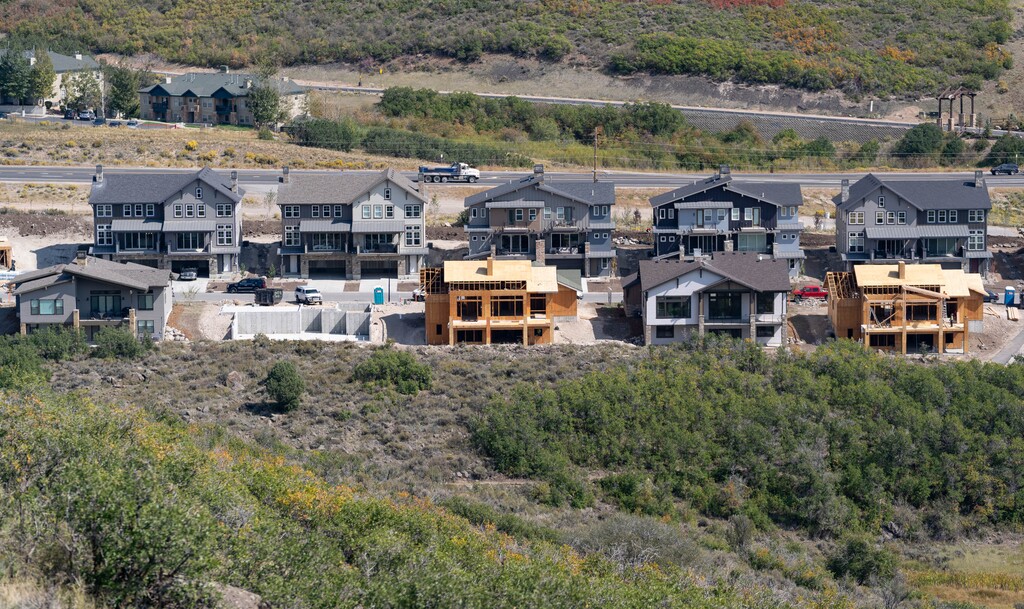
(Francisco Kjolseth | The Salt Lake Tribune) Extensive development goes up around Jordanelle State Park reservoir on Thursday, Sept. 23, 2021, as the water line continues to recede in extreme drought conditions.

(Francisco Kjolseth | The Salt Lake Tribune) Extensive development goes up around Jordanelle State Park reservoir on Thursday, Sept. 23, 2021, as the water line continues to recede in extreme drought conditions.

Home insurance is becoming increasingly expensive and harder to find in the Wasatch Back.

State Farm and Allstate recently made headlines when they announced they will no longer sell new home insurance policies in California, due to wildfire risk and inflationary costs.

Steve Davis is a senior vice president with Zion’s Insurance, which manages home policies in Utah.

“California is kind of the catalyst for what’s coming down the road,” Davis said. “But about just over a year ago, we saw most major insurance companies here in Utah implement new underwriting guidelines or restrictions, in terms of insuring new homes in Summit and Wasatch counties. And this has had a very significant impact on consumers wanting to get home insurance in those two counties.”

He said insurance companies are now using a wildfire mapping software program that allows them to score the risk of homes, typically on a scale of 1 to 50 – with 50 being the highest risk. Davis said homes that score over 35 are usually not approved for insurance coverage.

Read more at kpcw.org.

This article is published through the Utah News Collaborative, a partnership of news organizations in Utah that aim to inform readers across the state.

Support free news for Utah

sltrib.com is now free to access — no subscription required. We made this decision because we believe access to trustworthy, independent news shouldn’t depend on what you can afford — especially as misinformation and AI-generated content continue to rise.

Free to read doesn’t mean free to produce. Our reporters show up every day to ask hard questions and hold powerful institutions to account. That work takes resources. As a nonprofit newsroom, we rely on support from people who believe it matters. Make a donation today to fund local news that serves Utah communities.

You can help us bring more local news to more communities today.