



This is an archived article that was published on sltrib.com in 2012, and information in the article may be outdated. It is provided only for personal research purposes and may not be reprinted.
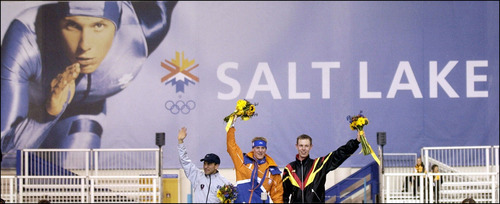
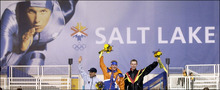
Ten years later, speedskater Derek Parra can still remember every detail of his gold-medal-winning performance at the 2002 Salt Lake Olympics.
The way he so perfectly skated through turn after turn at the Utah Olympic Oval. The way he saw his family and friends from throughout his life cheering from the stands. The way the scoreboard lit up with his world-record time.
"Ten years is a long time, but it seems like yesterday," he says. "It absolutely seems like yesterday. And when I go and talk to schools and organizations and foundations and I talk about the Games, I still cry. I still get emotional. My heart still races when I show them the video of me skating. I know I'm going to win — I'm on the DVD! — but I find myself shifting my weight in my shoes and it's just exciting. It was a huge moment in my life."
At that, Parra smiles and shakes his head.
"Ten years," he says, snapping his fingers. "It went by like that."
Thousands of athletes, coaches, fans and volunteers who made the 2002 Olympics a raging success in Salt Lake City must feel the same way, awakening to the reality that it has been a decade since all of those amazing memories were made, at all of the places we all still enjoy so much — Snowbasin, Solider Hollow, Rice-Eccles Stadium, the Utah Olympic Park … just to name a few.
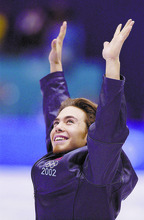
"It's kind of mind-boggling," said Sarah Hughes, whose surprise gold medal in figure skating ranked among the highlights of the Olympics.
From scandal to success
But, boy, what memories.
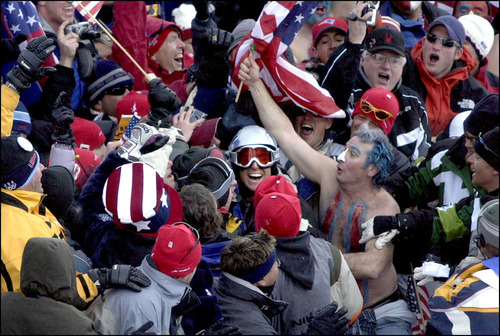
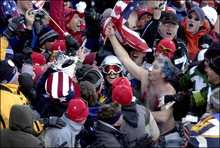
Not only did the world watch a shattered nation come together and begin to heal through sport just five months after the Sept. 11 terrorist attacks, but it witnessed some truly astounding athletic performances on the slopes, chutes and ice sheets — as well as plenty of scandalous behavior.
And when it was over, Salt Lake City had proved it was capable of holding what IOC President Jacques Rogge called a "superb" Olympics, and laid a foundation for years of success to come.
Inspired future Olympians were sprouting all over the country, knowing they had world-class training facilities available in Utah — a big part of the reason the United States won more medals at the 2010 Vancouver Games in Canada than any nation in Winter Olympic history.
"There's not one facility that was built for the Olympics that has not continued to be utilized, often on a year-round basis," former Park City mayor Brad Olch said. "The sports park with the jumps and swimming pool, and Soldier Hollow, where skiers train in the summer. The problem with the speedskating oval? We could use an oval and a half."
All because of 2002.
The Olympics here always will be remembered, of course, for the bid scandal that preceded them and the judging scandal in figure skating that interrupted them and dominated headlines for days.
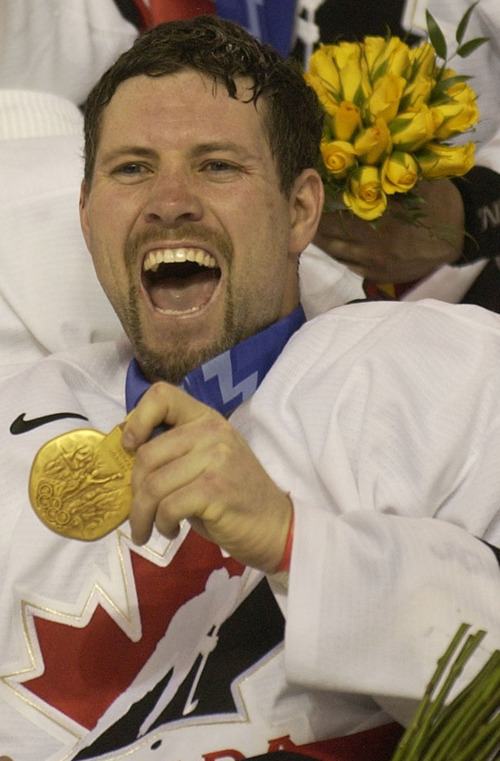
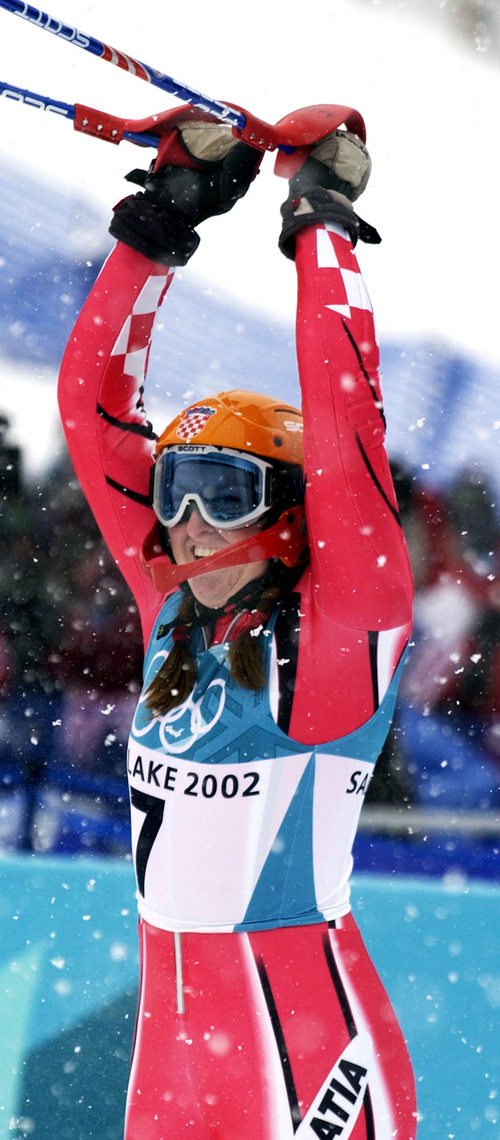
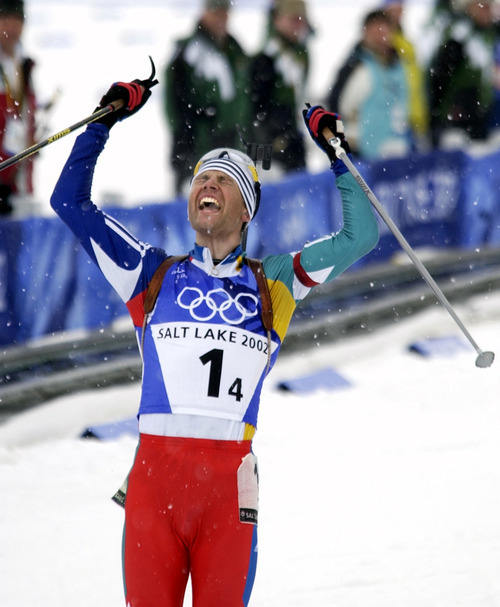
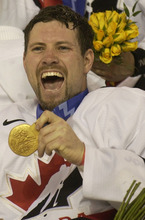
But also, they always will be the Olympics where Norway's Ole Einar Bjørndalen won all four gold medals in the biathlon, and Croatia's Janica Kostelic took three golds and a silver in Alpine skiing. Finland's Samppa Lajunen swept the three gold medals in Nordic combined, too, while Team Canada memorably exorcised its national demons by winning gold in men's and women's ice hockey.
How about those Americans?
Spurred by a $40 million initiative to dominate the medal count, the United States enjoyed by far its most successful Winter Olympics to that point, winning a record 34 medals — 10 of them gold — to signal a turning point in its preparedness for the Games and provide future organizers a winning model for hometown success.
"These were the no-excuses Games," said Jim Page, the USOC's managing director for sports at the time.
No excuses were needed.
Athletes from virtually every corner claimed gold for the Americans, from a quartet of speedskaters to Hughes, Jill Bakken in bobsled, and two couples who swept their events — Jim Shea and Tristan Gale in skeleton and Kelly Clark and Ross Powers in snowboarding's halfpipe.
They eclipsed even the most optimistic medal predictions, an astonishing accomplishment considering the U.S. had won just 13 medals at the 1998 Nagano Games four years earlier.
"I have seen a significant change over the four Olympics that I've been to," Nordic combined skier Bill Demong said after the Vancouver Games. In Nagano, "we felt like we were a small country at the Olympic Games. As a whole team, we felt like one of the outsiders at the Winter Olympics. Now, we're here to win."
Show them the money
Having decided it needed to shine on home soil, the U.S. Olympic Committee spent $40 million on its Podium 2002 project for the Salt Lake Games, nearly double what it spent to prepare for Nagano. It funneled cash to athletes for living and training expenses, boosted the bonuses for winning medals and dedicated more resources to research and technology — creating along the way a template that organizers have followed ever since.
The Canadians dedicated $110 million to their Own the Podium project, for example, which resulted in 14 gold medals at the Vancouver Games — most ever by a single nation — and a national-record 26 medals overall. And now, the Russians are dedicating a staggering $3 billion to develop sports in their country, in advance of the 2014 Sochi Games.
"In Sochi, we need to win," prime minister Vladimir Putin told athletes at a recent announcement of the plan.
In Salt Lake City, that's what the Americans did, better than almost anybody else.
Though Norway won the most gold medals (13) and Germany won the most medals overall (36), the United States was close on both counts and enjoyed the prestige of hosting what many viewed as the perfect Olympics — scarred though it was by all those scandals.
A feel-good finish
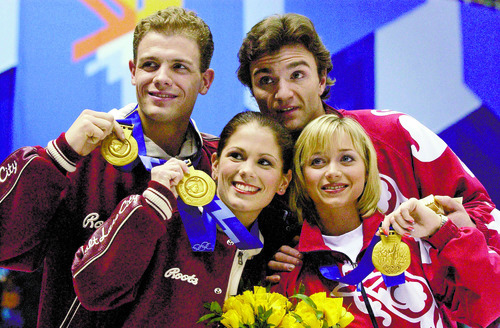
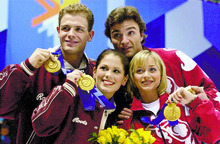
Not only did local organizers endure the blowback from the bid scandal, but the International Olympic Committee eventually had to award duplicate gold medals to Canada's Jamie Salé and David Pelletier after it was revealed that a French judge — Marie-Reine Le Gougne — was pressured into voting against them in the pairs figure-skating competition.
And just as the Games were ending after an epic gold-medal men's hockey game in which the Canadians joyously snapped a 50-year championship drought, the IOC expelled three cross-country skiers, Larisa Lazutina and Olga Danilova of Russia and Johann Muehlegg of Spain, for doping.
Ultimately, the skiers were stripped of all their medals — five gold and three silver among them.
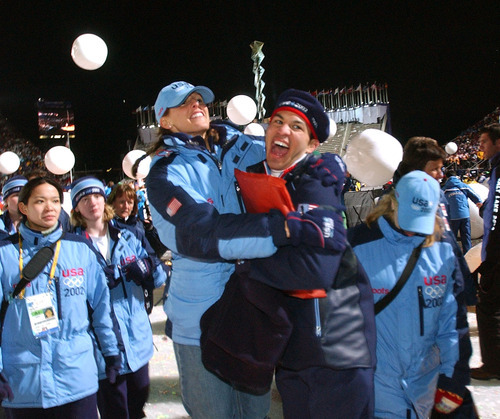
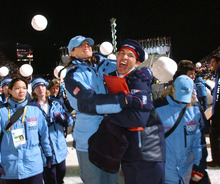
But all of that hardly dampened the memories or enthusiasm of most of the fans, athletes and volunteers who made the Olympics special. For many of them, it was a perfect time in a perfect place, a spellbinding combination of wondrous weather, friendly fans and a sense of global community that won't soon be forgotten.
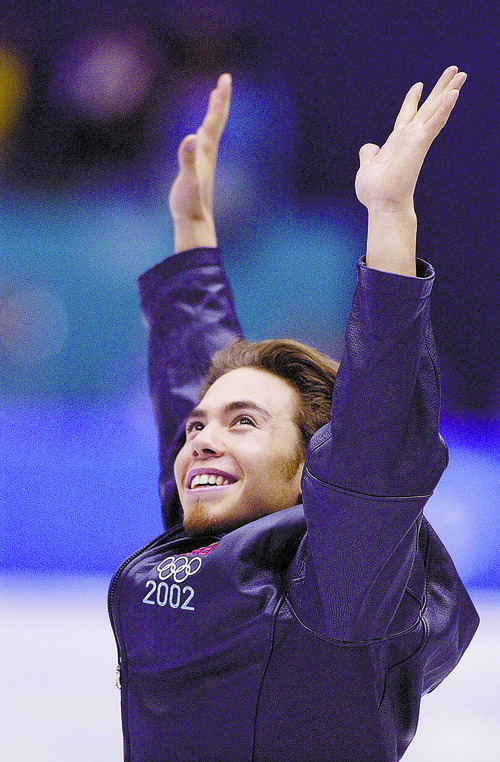
"It's still, to me, definitely my favorite Olympic experience," said short-track speedskater Apolo Ohno, the soul-patched hero whose gold and silver medals at the Salt Lake Olympics turned him into a celebrity. "It was my first one, and it was a time at which our country needed to come together.
"It was post-9/11 and our country's morale needed something to cheer for, needed something to collectively come together around," he added. "I think the Olympic Games uniquely has the ability to do that for people, and the city of Salt Lake and the people of Utah really came together and — in my opinion — really pulled off a big win." Who were the stars of 2002?