




This is an archived article that was published on sltrib.com in 2013, and information in the article may be outdated. It is provided only for personal research purposes and may not be reprinted.
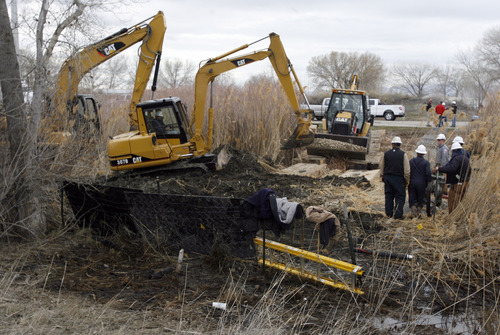
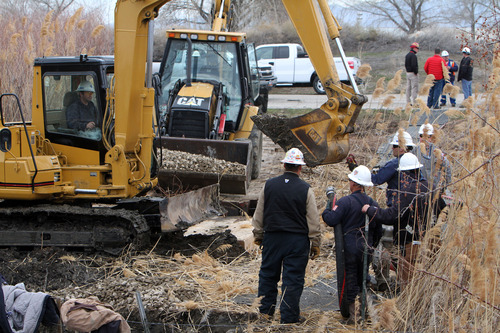
A federal official said Wednesday authorities hope to have cleanup of the Willard Bay State Park diesel fuel leak completed in the next two to three weeks to minimize possible impact on the annual springtime bird migration.
"EPA is working with the state to make sure the leak is cleaned up entirely," said Curtis Kimbel, the Environmental Protection Agency's on-scene coordinator for the spill response. "It appears we do have the resources to properly clean this up."
Officials of federal, state and local agencies held their first "unified command" meeting Wednesday morning to coordinate efforts to clean up and mitigate the impact of the spill,
An estimated 4,200 to 6,300 gallons of diesel fuel — authorities say they cannot confirm the amount — leaked from a 168-mile Chevron pipeline carrying fuel from Salt Lake City to Idaho.
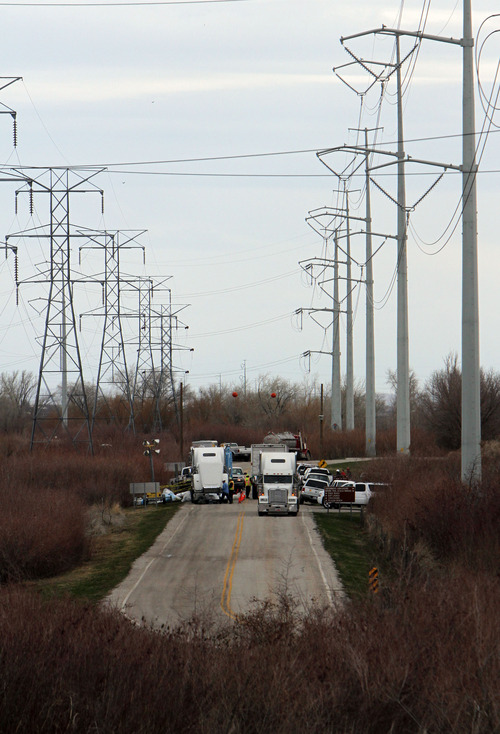
The leak appears to have originated near Interstate 15. Fuel flowed into a ditch along the interstate and then in a creek toward a freshwater reservoir on Willard Bay about 100 yards from I-15.
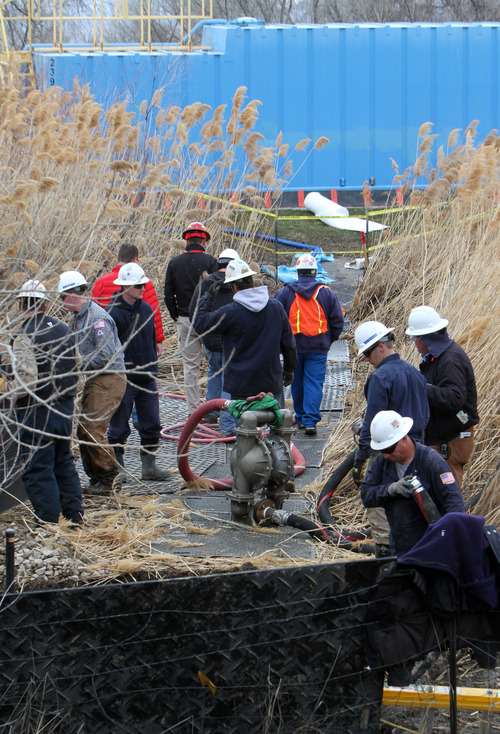
On Wednesdsay, yellow absorbent booms were fanned out in the area in an effort to capture diesel before it reached the reservoir.
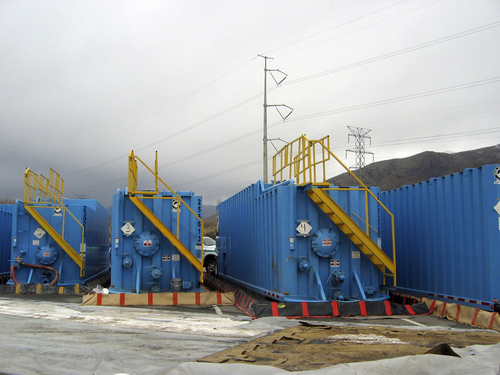
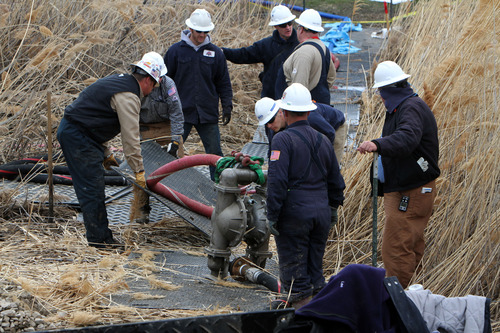
Workers were also suctioning out water from the creek into about tanker trucks that will take it to a refinery where the diesel will be removed.
After the leak was discovered Monday afternoon and confirmed later that day, two campers and the park manager's family were evacuated from the site. Two beavers were also rescued and sent to the Wildlife Rehabilitation Center of Northern Utah in Ogden. (see related story.)
Kimbel said EPA has four people on the ground in Utah, supported by other emergency response team memebers in Denver and other parts of the country.
While Willard Bay is not part of the nearby Bear River Migratory Bird Refuge, migratory birds do use the area as a rest stop so authorities want to complete the cleanup before the migration begins in earnest, Kimbel said.
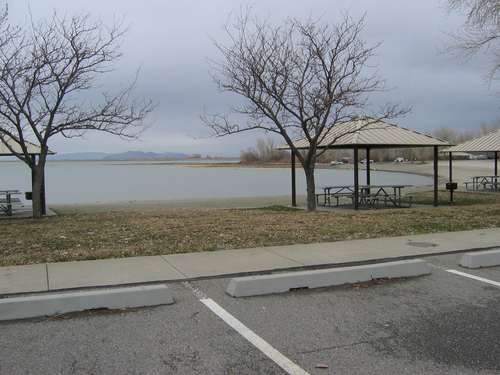
Willard Bay comprises nearly 10,000 acres of fresh water that is located atop the Great Salt Lake floodplain north and west of Ogden. In addition to wildlife, it supports populations of crappie, walleye, wiper and catfish in its popular fishery. The area is also popular with boaters.
Chevron spokesman Greg Hardy said the leak was believed to have begun about 2:30 p.m., Monday but was not confirmed until later in the day.
Two leaks from a Chevron pipeline in 2010 spilled 54,600 gallons of crude oil near Red Butte Garden in Salt Lake City's eastern foothills and cost the company an estimated $43 million in cleanup costs, fines and other spill-related expenses. Monitoring is expected for years to come.
Twitter: @judyfutah