











This is an archived article that was published on sltrib.com in 2013, and information in the article may be outdated. It is provided only for personal research purposes and may not be reprinted.
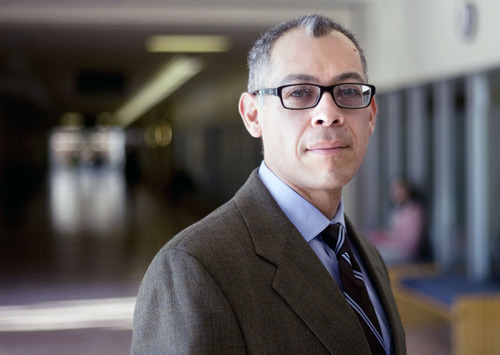
Logan • Trent Morrison thought he'd be going to Portland State University.
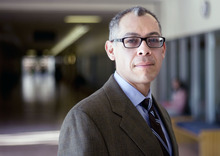
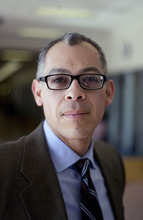
"I'm a city guy," said the 21-year-old, who dressed for a recent day on campus in a shirt, tie and vibrantly colored pants.
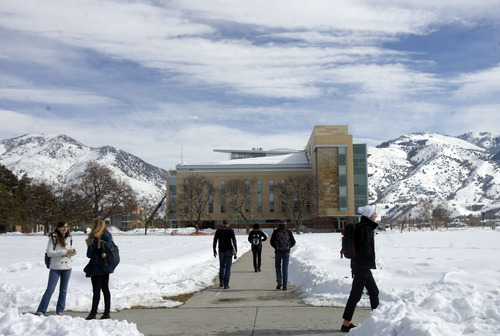
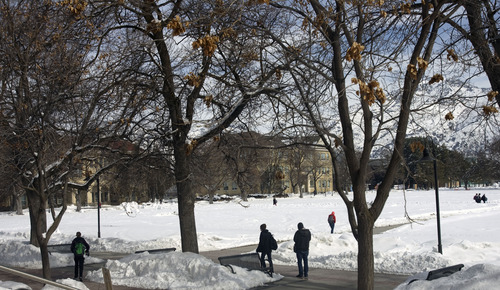
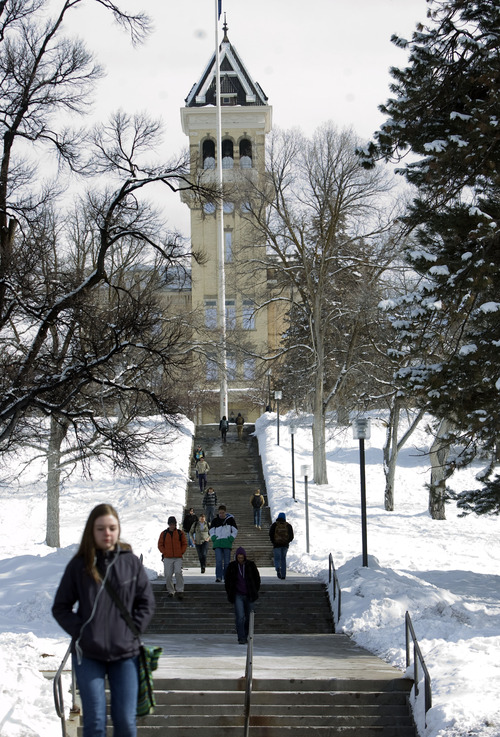
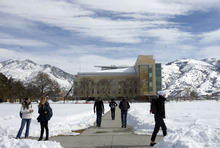
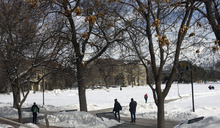
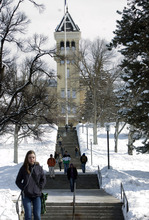
But to appease his mother and his sister, an alumna, he visited Utah State University, "and I kind of fell in love" with the mountain-ringed Logan campus, Morrison said. It offered a classic college experience — he could live on campus, get involved with a fraternity, run for student government. "It allows me to be an individual in a really safe environment."
The Salem, Ore., native is in the minority at Utah State, but university leaders aim to attract a lot more like him: Out-of-state students are key to their plan to weather the enrollment downturn caused in large part by new, lower age requirements for missionaries for The Church of Jesus Christ of Latter-day Saints.
That change is already causing ripple effects throughout the state's colleges and universities, especially at USU. While the entire system's enrollment dropped 3.5 percent, USU took the biggest hit — its campuses were down 1,469 full-time equivalent students this spring, or 7.4 percent of their student body.
To plug that gap, Utah colleges and universities are recruiting more out-of-state students, for whom tuition rates are triple those of Utah residents. It's a neat solution to the tricky problem: Making up for a revenue drop that's steep, sudden, but also temporary, as missionaries are expected to swell enrollment ranks again when they return.
But colleges and universities all over the country are also looking for the higher tuition payers to plug budget gaps created by cuts to public funding.
"Right now, it is competitive ... to get the students that are both academically the students you want and those who have the money to pay," said Patrick Callan, president of the Higher Education Policy Institute.
—
New tool • Utah's high cards in the contest include its world-class skiing, affordability and for some, its connections to the LDS Church. And last week the Utah Legislature created another when it passed a bill to remove caps on the number of tuition waivers schools can offer to non-residents. If the bill is signed by Gov. Gary Herbert, colleges can offer in-state tuition to many more high academic achievers — a somewhat unusual step, Callan said.
It's an important tool, said Chris Taylor, a spokesman for Utah Valley University.
"Our sense is there are many from out of state who would like to come, but who can't or don't because it's cost prohibitive,"he said. "We're expanding our [recruitment] reach into areas we haven't had a presence."
UVU also posted a big enrollment drop this spring of 1,336 students, or 6.55 percent of their student body. The decline is particularly painful because years of state funding cuts mean the school relies more heavily on tuition to fund its budget.
Though that's true for all Utah public colleges and universities, it's most pronounced at UVU, where the state funds just under 40 percent of the budget — the lowest proportion in the state.
UVU is also reaching out to people who started college but didn't finish, and encouraging departing missionaries to apply and defer their enrollment.
—
Filling the gap • Drawing in outsiders is not going to work for every school, said Scott Wyatt, president of Snow College in Ephraim. "We have a pretty ambitious recruiting system in Utah," he said, "but we don't move out of Utah."
Though the college has some international students, creating an out-of-state recruiting apparatus would take too long to help with the immediate problem, he said.
At Utah State, though, recruiters have been selling the school outside Utah for years. Since 2007, the student body has gone from 13 percent out-of-state students to more than 25 percent in 2012, according to the Utah System of Higher Education.
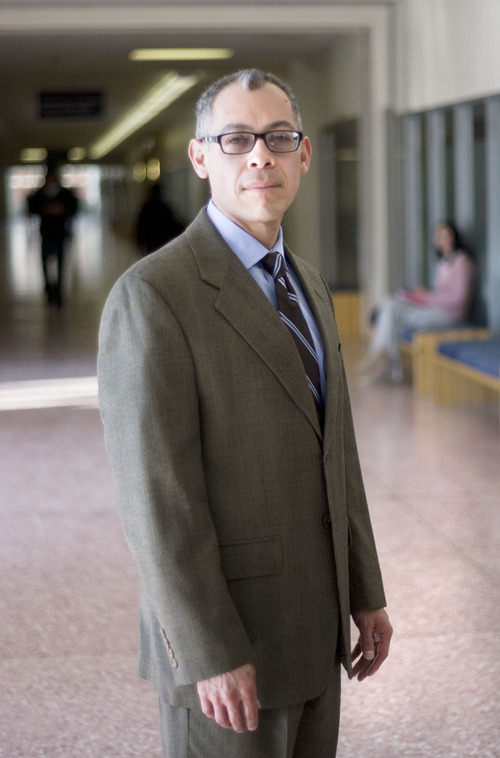
So when LDS Church President Thomas Monson announced the mission age change in October, a quickly-convened committee resolved to ramp up recruiting efforts, said James Morales, vice president for student services.
With about 86 percent of Utah State students members of the church, "we knew we would lose a high proportion of the students to LDS missions," Morales said.
Tuition isn't the only revenue the school stands to lose. Since about half of USU students live on campus, the enrollment drop also punches a hole in budgets for dorms, dining halls, athletics, concerts, dances and the library, funded in part by fees. This spring, the enrollment drop at the school's main campus of 281 students cost the school $1.4 million, Morales said. Officials estimate that number could balloon to a $9.5 million shortfall.
—
Selling Utah • Such budget numbers make Corey Mikkelsen's job even more important. The associate director of recruitment has been selling Utah State since he was a student ambassador six years ago, and he is now part of a 12-person crew charged with pulling in new students.
About half of USU's out-of-state students are from Idaho or Wyoming. Now they're pushing out to Chicago, Seattle, Portland, Phoenix, and especially expanding their efforts in California.
They sell the school's agriculture and aerospace programs, the new Jon M. Huntsman School of Business and the close-knit campus.
And price: Utah State came in second-cheapest in a comparison of 11 similar schools by USHE, as did UVU, Dixie State University, and other Utah colleges. And at USU, students have the option of applying for in-state tuition after a year.
" With the economic times we're in, money talks, frankly," Mikkelesen said. The efforts seem to be working: USU's out-of-state applications are up by more than 400 more over last year.
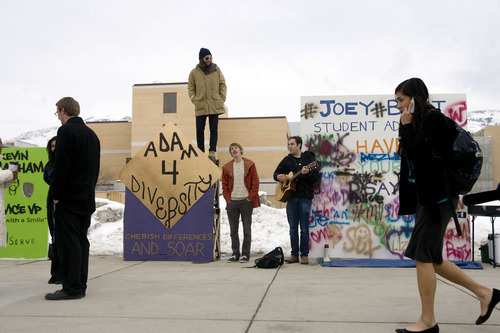
Those new students, with different backgrounds and experiences, have the potential to change the atmosphere at Utah colleges.
"I think we're going to see a cultural shift," Mikkelesen said, "not just at Utah State but in the state as a whole."
Twitter: @lwhitehurst